Understanding the **Biology of Cravings chocolate** is the first step toward mastering your relationship with this legendary treat. Have you ever wondered why that intense urge for a piece of dark cocoa seems to override your logic?
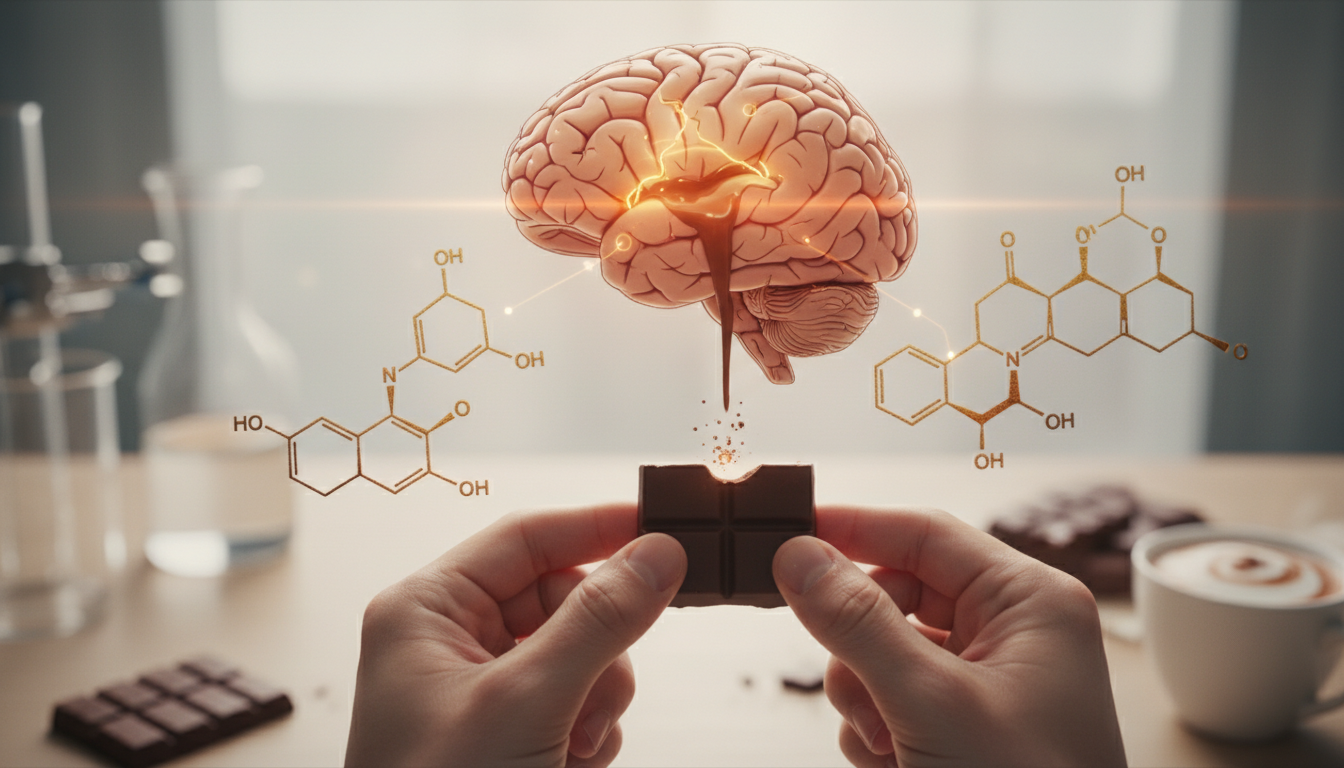
The experience is far more than a simple lack of willpower. It is a complex physiological symphony involving your brain, your hormones, and even your gut bacteria. When we talk about the Biology of Cravings chocolate, we are looking at a cross-section of evolutionary survival and modern neurochemistry.
In this comprehensive guide, we will decode exactly what happens inside your body when a craving strikes. From the dopamine hits in your reward center to the hormonal shifts during your sleep cycle, you will learn the science behind the “chocoholic” phenomenon.
By the end of this article, you will see that your cravings aren’t a flaw. They are a biological signal that you can learn to interpret and manage effectively.
The Neurochemistry of Biology of Cravings chocolate
To understand why we reach for the wrapper, we must first look at the brain’s internal reward system. The Biology of Cravings chocolate is deeply rooted in the way our neurotransmitters respond to specific combinations of sugar and fat.
The Dopamine Reward Pathway and Biology of Cravings chocolate
The nucleus accumbens is the brain’s primary “pleasure center,” and it plays a starring role in the Biology of Cravings chocolate. When you consume chocolate, the concentrated sugar and fat trigger an immediate release of dopamine.
Dopamine is often misunderstood as the “pleasure molecule,” but in the context of the Biology of Cravings chocolate, it is actually the molecule of “more.” It creates a feedback loop that prioritizes the search for the reward over the actual enjoyment of it.
- The Nucleus Accumbens: This region processes the rewarding nature of stimuli, reinforcing the habit of eating chocolate.
- The Sugar-Fat Synergy: Unlike eating plain sugar, the combination of fat and sugar in chocolate creates a unique neurochemical “spike.”
- Wanting vs. Liking: Science shows that dopamine drives the “wanting” (craving), while other chemicals handle the “liking” (satisfaction).
This is why you might find yourself searching the pantry for chocolate even if you aren’t hungry. Your brain is essentially “hardwired” to seek out that dopamine hit that the Biology of Cravings chocolate provides so efficiently.
Serotonin, Mood, and the Biology of Cravings chocolate
Chocolate is one of the few foods that contains tryptophan, an essential amino acid. Tryptophan is the direct precursor to serotonin, our primary “feel-good” hormone that regulates mood and anxiety.
When serotonin levels drop—due to stress, seasonal changes, or lack of sunlight—the Biology of Cravings chocolate kicks into high gear. Your brain recognizes that high-carbohydrate foods like chocolate can help transport tryptophan across the blood-brain barrier.
This has led researchers to the “self-medication hypothesis.” This theory suggests that people crave chocolate as a way to naturally boost their serotonin levels and alleviate feelings of sadness or irritability.
Endorphins and Enkephalins
The Biology of Cravings chocolate also involves our body’s natural opioids. Chocolate consumption triggers the release of endorphins, which act as natural painkillers and stress reducers.
Recent studies have highlighted the role of enkephalins, a specific type of natural opioid found in the dorsal striatum. When you eat chocolate, enkephalin levels surge, which can actually drive the urge to overconsume.
This creates an immediate “soothing” effect on the nervous system. It explains why chocolate is the quintessential “comfort food”—it is literally chemically calming your brain during times of high cortisol.
Hormonal Drivers and the Biology of Cravings chocolate Connection
Beyond the brain, your entire endocrine system influences the Biology of Cravings chocolate. Your hormones act as chemical messengers that tell your brain whether you are starving or satisfied.

Insulin and Blood Sugar Fluctuations
The glycemic index of the chocolate you choose significantly impacts the Biology of Cravings chocolate. Milk chocolate, which is high in refined sugar, causes a rapid spike in blood glucose levels.
This spike is followed by a predictable “crash,” often referred to as reactive hypoglycemia. When your blood sugar bottoms out, your brain sends an urgent signal for quick energy, leading to a vicious cycle of Biology of Cravings chocolate.
- Insulin Resistance: If your body struggles to process sugar, you may experience more frequent and intense cravings.
- Quick Energy Reach: The brain views chocolate as an immediate source of glucose to stabilize energy.
- Stabilization: Choosing high-cocoa options can mitigate this effect by providing more fiber and healthy fats.
neurobiological factors of chocolate craving
The Role of Leptin, Ghrelin, and Biology of Cravings chocolate
Ghrelin is known as the “hunger hormone,” and it is highly responsive to external cues. Simply looking at a photo of chocolate or smelling cocoa can cause ghrelin levels to rise, triggering the Biology of Cravings chocolate.
On the other hand, leptin is the hormone that signals satiety. In many modern diets, “leptin resistance” occurs, meaning the brain stops hearing the “I’m full” signal. This failure of satiety signals is a major driver in the Biology of Cravings chocolate.
Furthermore, sleep deprivation is a massive disruptor. Lack of sleep increases ghrelin and decreases leptin, making high-calorie snacks like chocolate almost impossible to resist the following day.
Menstrual Cycles and Progesterone
It is a well-documented phenomenon that many women experience a surge in the Biology of Cravings chocolate during the luteal phase of their menstrual cycle. This is not just a cultural cliché; it is rooted in fluctuating hormones.
During this phase, estrogen drops and progesterone fluctuates, which can lead to a dip in serotonin. Additionally, your basal metabolic rate increases slightly, meaning your body actually requires more calories.
Magnesium levels also tend to fluctuate during the cycle. Since chocolate is high in magnesium, your body may be signaling a genuine mineral need during this time, further fueling the Biology of Cravings chocolate.
Nutrient Deficiencies and Physiological Needs
Can a craving actually be your body’s way of telling you it needs nutrients? When we look at the Biology of Cravings chocolate, the answer is a nuanced “maybe.”
The Magnesium Deficiency Theory
One of the most popular theories regarding the Biology of Cravings chocolate is that it signifies a magnesium deficiency. Raw cacao is one of the most concentrated sources of magnesium available in nature.
Magnesium is essential for over 300 biochemical reactions in the body, including energy production and muscle function. If you are chronically stressed, you deplete your magnesium stores rapidly.
However, the scientific debate continues. Critics point out that we don’t often crave spinach or pumpkin seeds—which are also high in magnesium—with the same intensity. This suggests that the Biology of Cravings chocolate is a mix of mineral need and sensory reward.
Energy Density and Survival Instincts
From an evolutionary perspective, the Biology of Cravings chocolate makes perfect sense. Our ancestors evolved in environments where calories were scarce and hard to find.
The brain is hardwired to seek out “energy-dense” foods—those with a high calorie-to-weight ratio. Chocolate, being a concentrated source of fats and sugars, is perceived by the ancient parts of our brain as a “survival jackpot.”
- Calorie Scarcity: Our brains still act as if we are in a period of food instability.
- Polyphenols: Chocolate also offers antioxidants, which the body recognizes as beneficial for cellular health.
- The Modern Mismatch: Our environment has changed, but the Biology of Cravings chocolate remains stuck in survival mode.
Phenylethylamine (PEA) and “The Love Chemical”
Chocolate contains a compound called phenylethylamine (PEA). This chemical is often nicknamed the “love chemical” because it mimics the brain chemistry of someone who is falling in love or experiencing high excitement.
In the Biology of Cravings chocolate, PEA can trigger a mild release of norepinephrine and dopamine. While the concentrations in chocolate are relatively small, they contribute to the complex chemical profile that makes chocolate so unique.
While myths about chocolate being a potent “psychoactive” substance are largely debunked, the combination of PEA, caffeine, and theobromine creates a subtle synergistic effect that keeps us coming back for more.
the physiological effects of chocolate
The Sensory and Psychological Components
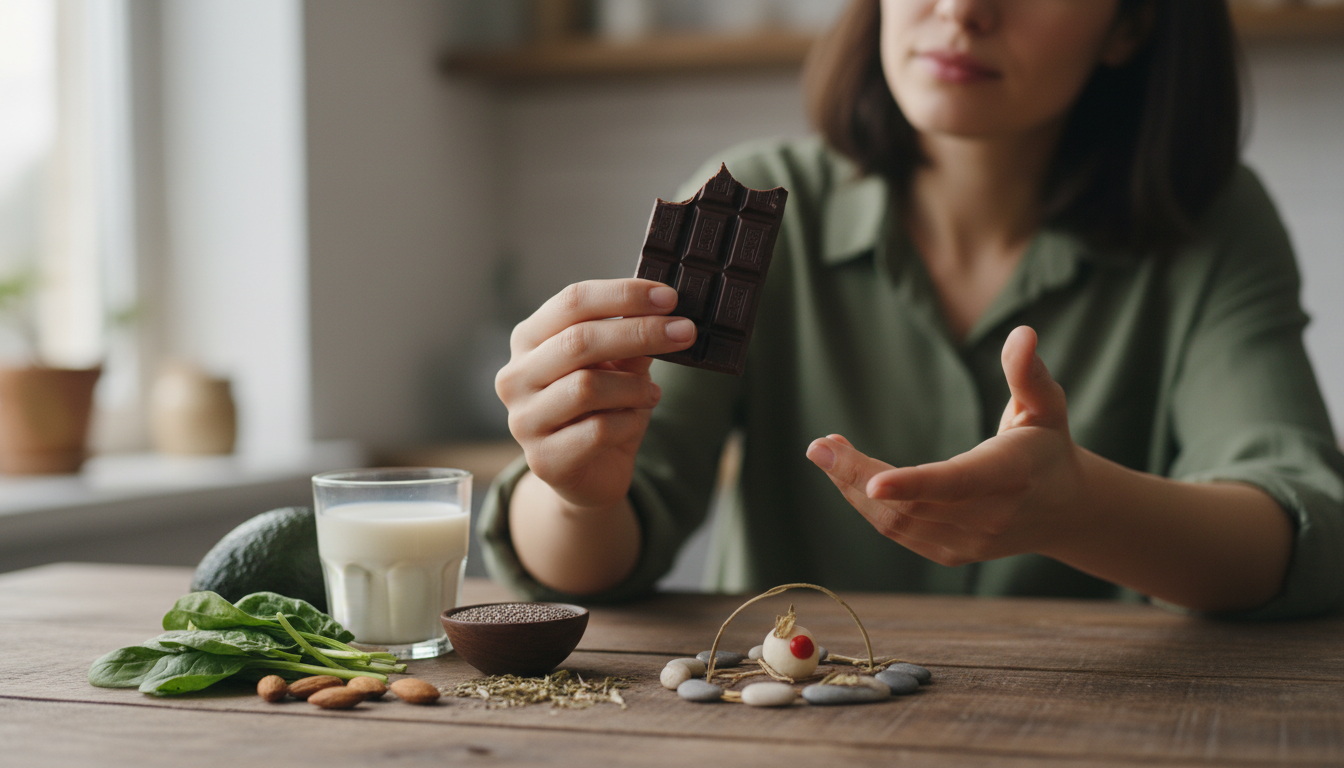
The Biology of Cravings chocolate isn’t just about what’s inside the bean; it’s about the experience of eating it. The sensory profile of chocolate is unlike any other food on the planet.
The “Melt-Point” and Oro-sensory Factors
One of the most fascinating aspects of the Biology of Cravings chocolate is its physical property of melting at human body temperature. Cocoa butter has a melting point just below 98.6°F.
This creates a unique “mouthfeel” that the brain finds incredibly rewarding. The transition from solid to liquid in the mouth triggers mechanoreceptors that send pleasure signals directly to the brain.
Additionally, the olfactory (smell) component of chocolate is powerful. The aroma of cocoa can trigger the cephalic phase of digestion, where your body starts preparing to eat before you’ve even taken a bite, intensifying the Biology of Cravings chocolate.
Conditioned Hypereating and Habits
The Biology of Cravings chocolate is also heavily influenced by your environment and memories. This is known as Pavlovian response or “conditioned hypereating.”
If you always have chocolate while watching a movie or after a stressful day at work, your hippocampus stores that memory. Eventually, just sitting on the couch or feeling a hint of stress will automatically trigger the Biology of Cravings chocolate.
- Nostalgia: Food-related memories are some of the strongest in the human brain.
- Branding: Bright wrappers and specific logos can trigger a dopamine release before you even taste the product.
- Neural Pathways: Habits create “ruts” in the brain that make the craving feel like an automatic command.
The Gut-Brain Axis and Biology of Cravings chocolate
Recent research into the microbiome has revolutionized our understanding of the Biology of Cravings chocolate. It turns out that your gut bacteria might be the ones pulling the strings.
Microbiome Influence on Food Choice
Your gut is home to trillions of bacteria, and some of them thrive on sugar. These microbes can actually influence your behavior by sending signals through the nervous system to demand the foods they need to survive.
However, Biology of Cravings chocolate can also be a positive for the gut if you choose the right kind. Dark chocolate is rich in flavonoids that act as prebiotics, feeding beneficial bacteria like Lactobacillus and Bifidobacterium.
These “good” bacteria then produce short-chain fatty acids (SCFAs), which help regulate your appetite and reduce overall inflammation, potentially lowering the intensity of future Biology of Cravings chocolate.
The Vagus Nerve Connection
The vagus nerve is the “superhighway” between your gut and your brain. It allows for direct communication regarding the nutrient content of your stomach.
When you consume chocolate, the digestive hormones released in the gut send immediate feedback to the brain’s emotional centers. This is why the Biology of Cravings chocolate can feel so “urgent”—the signal is bypassing your logical thought process entirely.
Understanding this connection helps us realize that managing the Biology of Cravings chocolate requires a healthy digestive system, not just “iron willpower.”
Science-Backed Strategies to Manage Cravings
Now that we have decoded the Biology of Cravings chocolate, how do we use this information? You don’t have to give up chocolate; you just need to work with your biology rather than against it.
The 85% Rule: Dark vs. Milk Chocolate
The most effective way to satisfy the Biology of Cravings chocolate without the sugar crash is the 85% rule. High-cocoa solids contain more fiber and less sugar, which helps suppress the hunger hormone ghrelin.
Furthermore, the tannins and polyphenols in dark chocolate have a slightly bitter profile. This bitterness naturally triggers “sensory-specific satiety,” which tells your brain you’ve had enough much faster than sweet milk chocolate does.
By shifting to dark chocolate, you satisfy the biological urge for fat and magnesium while avoiding the insulin spike that leads to more Biology of Cravings chocolate later in the day.
Mindfulness and the Prefrontal Cortex
The limbic system drives the Biology of Cravings chocolate, but the prefrontal cortex is your “executive brain” that can make rational decisions. You can strengthen this connection through mindfulness.
A technique called “urge surfing” involves acknowledging the craving without acting on it immediately. Observe the physical sensations of the Biology of Cravings chocolate—where do you feel it? Is it a tightness in the chest or a watering mouth?
By waiting just 10 to 15 minutes, you allow the initial dopamine surge to dissipate, making it much easier to decide if you truly want the chocolate or if you are just responding to a temporary trigger.
Strategic Nutrient Loading
Since the Biology of Cravings chocolate is often linked to blood sugar and mineral levels, you can prevent cravings before they start. Ensure you are eating adequate protein and fiber throughout the day to keep insulin stable.
- Magnesium Supplementation: If your Biology of Cravings chocolate is intense, consider a high-quality magnesium glycinate supplement.
- Hydration: Thirst is often misinterpreted by the brain as a hunger for sugar. Drink a glass of water before reaching for the treats.
- Protein First: Eating a protein-rich snack can blunt the dopamine-driven urge for sweets.
Key Takeaways: Mastering Your Biology
- Dopamine is the Driver: Cravings are more about the “anticipation” than the actual taste.
- Hormones Matter: Sleep, stress, and your cycle all play a massive role in the Biology of Cravings chocolate.
- Quality over Quantity: High-cocoa chocolate satisfies the brain’s nutrient needs faster.
- The Gut Connection: A healthy microbiome can reduce the intensity of sugar-seeking signals.

Conclusion: Embracing the Biology of Cravings chocolate
In summary, the Biology of Cravings chocolate is a multi-faceted process that involves your neurochemistry, hormonal balance, and evolutionary history. When you feel that familiar urge, remember that it is a signal from your body, not a sign of weakness.
By understanding the Biology of Cravings chocolate, you can move away from the “guilt” associated with eating and toward a more conscious, health-focused approach. Whether it’s managing your serotonin through stress relief or choosing high-quality dark chocolate to satisfy a magnesium need, the power is in your hands.
Next time a craving hits, take a breath, recognize the Biology of Cravings chocolate at work, and make a choice that serves both your palate and your health. Sustainable health isn’t about deprivation; it’s about the scientific integration of the things we love.
Ready to take control of your health? Check out our other resources on mindful eating and nutrient optimization to further your journey into the fascinating world of human biology.