Asian Cuisine and Dumplings represent a culinary tapestry that spans thousands of miles and centuries of history, offering comfort in every bite. From the steaming baskets of dim sum in Guangzhou to the spicy street stalls of Kathmandu, these dough-wrapped treasures are a universal language of hospitality.
Whether they are boiled, fried, or steamed, the relationship between Asian Cuisine and Dumplings is inseparable. In this guide, we will explore the intricate flavors, cultural meanings, and technical mastery required to appreciate this global food phenomenon.
The Cultural Significance of Asian Cuisine and Dumplings
When we discuss Asian Cuisine and Dumplings, we are talking about more than just sustenance. These small pockets of dough carry the weight of tradition and the hopes of generations within their thin skins.
More Than a Meal: Symbolism and Traditions
In Chinese culture, dumplings specifically jiaozi are synonymous with wealth and prosperity. This is because their shape closely resembles the “yuanbao,” or gold ingots used as currency in ancient imperial China.
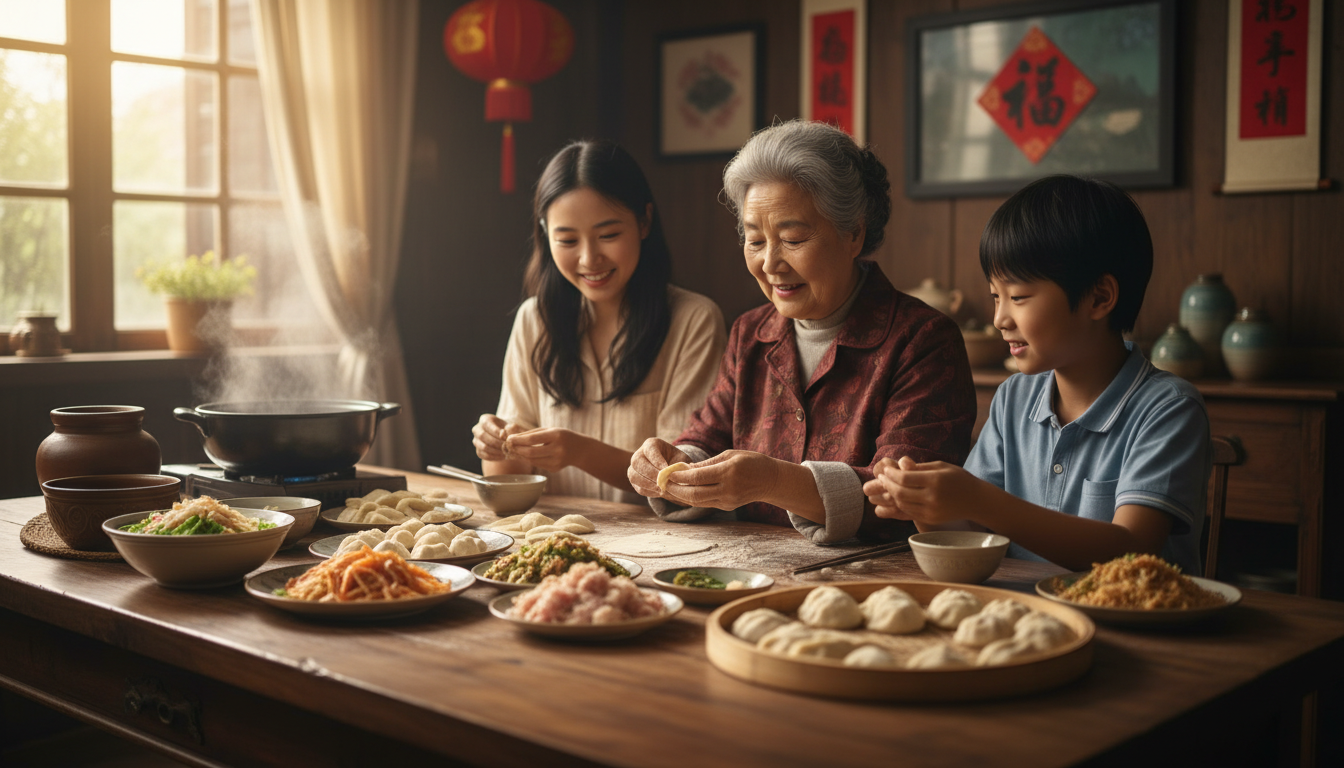
During the Lunar New Year, the preparation of Asian Cuisine and Dumplings becomes a vital family bonding activity. Families gather around a table, sharing stories while pleating dough to ensure a prosperous year ahead.
The symbolism extends to the fillings as well. Celery fillings may represent industriousness, while leek fillings symbolize everlasting wealth, making Asian Cuisine and Dumplings a literal feast of good fortune.
The Historical Journey of Asian Cuisine and Dumplings
The legend of the dumpling often traces back to Zhang Zhongjing, a famous physician of the Han Dynasty. He is said to have created “jiao’er” to treat frostbitten ears by wrapping medicinal herbs and meat in dough scraps.
As trade routes like the expanded, the concept of Asian Cuisine and Dumplings traveled across the continent. This allowed local ingredients to influence the evolution of the dish in different regions.
What began as a medicinal remedy eventually evolved into a staple culinary art form. Today, Asian Cuisine and Dumplings are celebrated as a testament to human ingenuity and the blending of diverse cultural influences.
China: The Diverse Heartland of Asian Cuisine and Dumplings
China is often considered the birthplace of the dumpling variety we recognize today. Within Asian Cuisine and Dumplings, the Chinese repertoire is staggering in its complexity and regional diversity.
Jiaozi and Wontons: The Classic Staples
Jiaozi are the quintessential Chinese dumplings, categorized by their cooking method. You will find “shui jiao” (boiled), “zheng jiao” (steamed), and the beloved “guo tie” (pan-fried), also known as potstickers.
Wontons offer a different experience within the world of Asian Cuisine and Dumplings. These utilize thinner, square wrappers and are typically served in aromatic, clear broths that highlight the delicate nature of the meat filling.
Regional variations play a huge role; northern styles tend to have thicker, heartier skins. In contrast, southern styles focusing on evolution of Chinese dumplings emphasize thin, translucent skins and delicate seafood fillings.
Xiao Long Bao: The Engineering of Soup Dumplings
Xiao Long Bao represents the pinnacle of culinary engineering in Asian Cuisine and Dumplings. These “soup dumplings” contain a rich broth that is solid at room temperature and turns to liquid when steamed.
The secret lies in the gelatinized pork stock, known as “aspic,” which is mixed with the meat. As the heat rises, the aspic melts, creating a burst of savory soup inside the delicate dough skin.
Eating these requires a specific etiquette to avoid burning your palate. You should place the dumpling on a spoon, poke a small hole to release the steam, and sip the soup before consuming the rest.
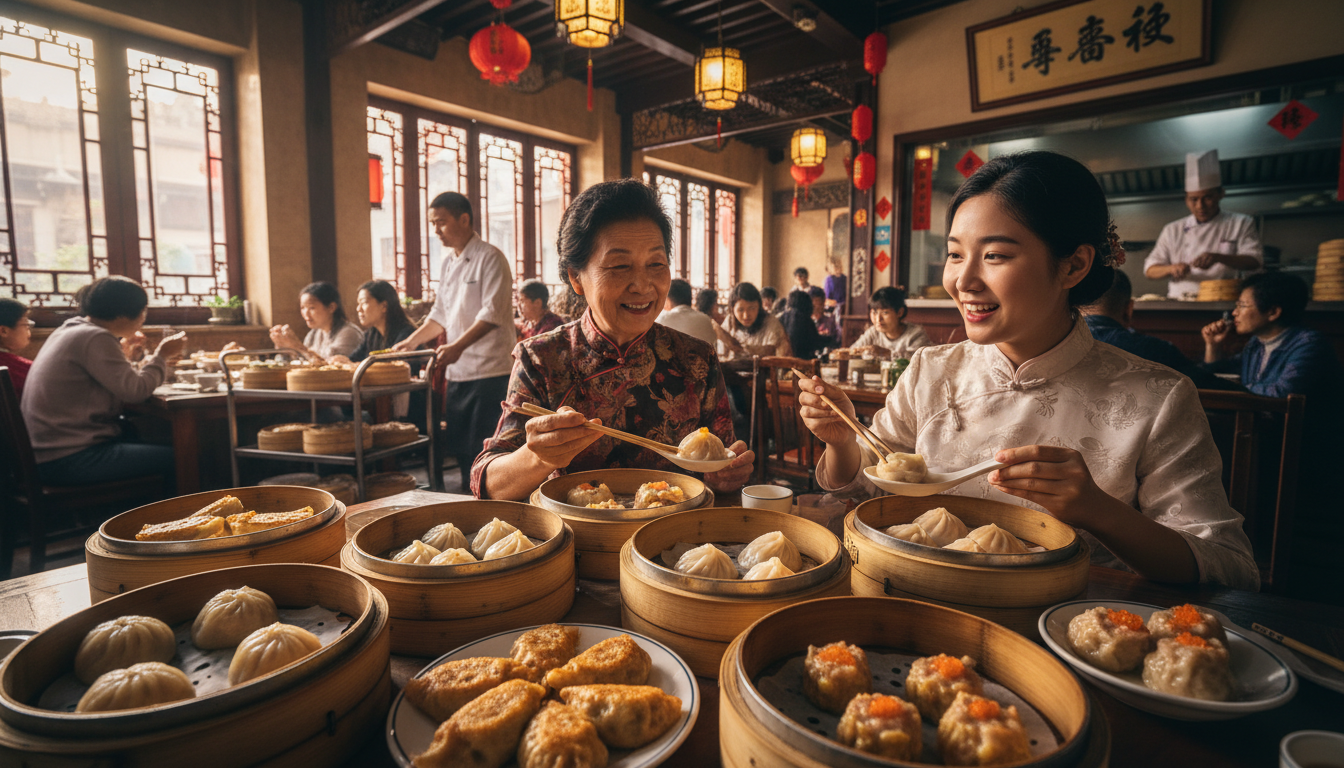
China: The Birthplace of the Dumpling Variety | Asian Cuisine and Dumplings
Cantonese Dim Sum Excellence
In the world of Asian Cuisine and Dumplings, Cantonese dim sum is often viewed as the most refined expression. The ritual of “yum cha,” or drinking tea, is always accompanied by these small, expertly crafted plates.
The “Har Gow” is a translucent shrimp dumpling that serves as the ultimate test of a chef’s skill. The skin must be thin enough to see the pink shrimp inside but strong enough not to break when lifted with chopsticks.
Shumai is another favorite, an open-faced dumpling usually filled with pork and mushrooms. These classics demonstrate how Asian Cuisine and Dumplings focus on balancing texture, flavor, and visual appeal.
The Art of Asian Cuisine and Dumplings in Japan: Perfect Gyoza
While influenced by Chinese jiaozi, Japanese gyoza has developed its own distinct identity. In the context of Asian Cuisine and Dumplings, gyoza is synonymous with the pursuit of the perfect, crispy texture.
Distinguishing Gyoza from Chinese Jiaozi
Gyoza typically features a much thinner wrapper than its Chinese counterpart. This allows the dumpling to become incredibly crispy on the bottom while the top remains soft and tender through steaming.
The filling in Asian Cuisine and Dumplings from Japan also tends to be more heavily seasoned with garlic and ginger. This creates a bold flavor profile that pairs perfectly with a cold glass of beer or hot tea.
The “hanetsuki” or “winged” gyoza is a popular style where a flour slurry is added to the pan. This creates a lacy, ultra-crispy crust that connects all the dumplings in a single, satisfying sheet.
Regional Gyoza Specialties in Japan
In Japan, the love for Asian Cuisine and Dumplings has led to fierce rivalries between cities. Utsunomiya and Hamamatsu both claim the title of “Gyoza Capital,” each boasting hundreds of specialized shops.
While pan-fried gyoza is the most common, “Sui-gyoza” (boiled gyoza) is gaining popularity in izakayas. These are often served in a light dashi broth, offering a cleaner taste that highlights the quality of the ingredients.
Innovative chefs are also experimenting with modern fillings such as seafood, cheese, or aromatic shiso leaves. This constant evolution keeps Asian Cuisine and Dumplings exciting for both locals and tourists alike.
Korean Mandu and Himalayan Momos
Expanding our view of Asian Cuisine and Dumplings takes us to the Korean peninsula and the heights of the Himalayas. Here, the flavors become bolder and the shapes more varied.
Korean Mandu: Bold Flavors and Diverse Shapes
Korean mandu is famous for its diverse fillings, often incorporating and crumbled tofu. This combination creates a unique texture that is both light and satisfying.
The shapes of Asian Cuisine and Dumplings in Korea are equally varied. “Wang mandu” are king-sized, fist-shaped dumplings, while “Gun-mandu” are flat and crispy, perfect for dipping in soy-vinegar sauce.
Mandu-guk is a comforting dumpling soup that is essential for New Year celebrations in Korea. It is believed that eating the dumplings brings good luck, reinforcing the cultural weight of Asian Cuisine and Dumplings.
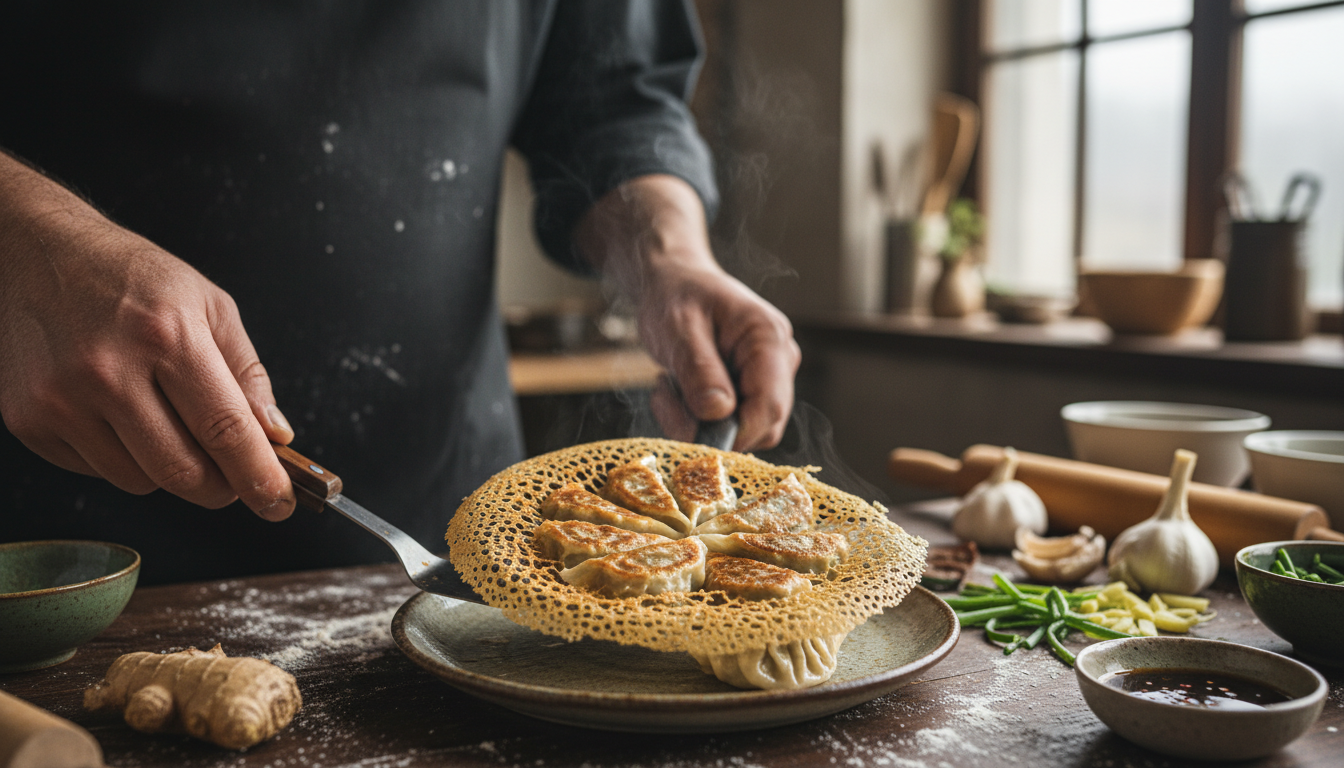
Japanese Gyoza and the Pursuit of the Perfect Crisp | Asian Cuisine and Dumplings
The Rise of the Himalayan Momo
The momo is perhaps the most beloved street food in Nepal and Tibet. In the broader landscape of Asian Cuisine and Dumplings, momos are distinguished by their use of warm spices like cumin and coriander.
A key component of the momo experience is the “achar,” a spicy tomato-based dipping sauce. This sauce provides a tangy and fiery kick that cuts through the richness of the meat filling.
In these mountain regions, fillings often include buffalo or yak meat, which are more readily available than pork. For many, momos are the ultimate comfort food within the category of Asian Cuisine and Dumplings.
Southeast Asian Variations and Hidden Gems
As we move into Southeast Asia, the climate and local ingredients transform the nature of Asian Cuisine and Dumplings. Here, we see a shift toward different starches and aromatic leaf wrappings.
Vietnamese Banh Bot Loc
Vietnamese “Banh Bot Loc” are unique because of their chewy, translucent wrappers made from tapioca starch. This gives them a distinct “Q texture” that is highly prized in many Asian cultures.
These Asian Cuisine and Dumplings are usually filled with a piece of whole shrimp and a small slice of fatty pork belly. The combination of chewy dough and savory filling is truly addictive.
Traditionally, they are wrapped in banana leaves and steamed, which imparts a subtle, earthy aroma to the dough. They are served with a sweet and spicy fish sauce that highlights the vibrant flavors of the region.
Indonesian Siomay and Thai Delights
Indonesian Siomay is a fish-based dumpling that reflects the archipelago’s rich maritime resources. Unlike other Asian Cuisine and Dumplings, these are often served with a thick, spicy peanut sauce and a squeeze of lime.
In Thailand, “Kanom Jeep” shows the clear influence of Chinese migrants on Thai street food. These small dumplings are often topped with fried garlic, adding a crunch that complements the soft filling.
The flavor profiles here are a masterclass in balance, hitting sweet, salty, and spicy notes simultaneously. This complexity is why Asian Cuisine and Dumplings continue to captivate food lovers worldwide.
Mastering the Craft of Asian Cuisine and Dumplings at Home
Making Asian Cuisine and Dumplings at home is a rewarding skill that allows you to customize flavors to your liking. It requires patience, but the results are far superior to any frozen alternative.
Mastering the Dough and Wrappers
The secret to great Asian Cuisine and Dumplings starts with the dough. For boiled dumplings, cold water dough is preferred as it creates a sturdier skin that won’t break in the water.
For steamed or pan-fried varieties, hot water dough is often used. The hot water partially cooks the flour’s gluten, resulting in a softer, more pliable wrapper that is easier to pleat.
When rolling wrappers for Asian Cuisine and Dumplings, aim for a “bird’s nest” shape. This means the edges are thin for easy folding, while the center remains slightly thicker to support the weight of the filling.
Pleating Techniques for Every Style
Pleating is the most intimidating part of making Asian Cuisine and Dumplings, but it mostly takes practice. The basic crescent fold is the best place for beginners to start their journey.
Advanced techniques include the pleated fan, the “pea pod,” and the round “money bag” style seen in momos. Each shape offers a different aesthetic and can even change the ratio of dough to filling in each bite.
Common issues like bursting seams usually happen because the edges of the dough were too dry. A small dab of water along the rim of the wrapper acts as a “glue” to keep your Asian Cuisine and Dumplings intact during cooking.
Modern Fusion and the Future of Dumplings
The world of Asian Cuisine and Dumplings is not static; it is constantly evolving to meet modern dietary needs and adventurous palates. Today, we see a fusion of global flavors and plant-based innovations.
Plant-Based and Health-Conscious Dumplings
As more people move toward meat-free diets, Asian Cuisine and Dumplings have adapted beautifully. Ingredients like jackfruit, king oyster mushrooms, and soy protein make excellent meat substitutes.
For those with gluten sensitivities, Asian Cuisine and Dumplings can now be made with using rice flour or crystal starch. These alternatives maintain the beloved chewy texture while being accessible to everyone.
Modern Asian bistros are also emphasizing vegetable-heavy fillings, using kale, spinach, and roasted squash. This shift shows that Asian Cuisine and Dumplings can be both indulgent and health-conscious.
Global Fusion: When East Meets West
In major food hubs like New York or London, Asian Cuisine and Dumplings are being reimagined with Western flavors. It is not uncommon to find “Cheeseburger” dumplings or “Buffalo Chicken” gyoza on trendy menus.
Dessert dumplings are also becoming a staple of fusion cuisine. Wrappers filled with chocolate ganache, fruit compote, or sweet cream cheese offer a delightful end to a meal of Asian Cuisine and Dumplings.
This global experimentation proves that the dumpling is a perfect canvas for culinary creativity. No matter the filling, the core appeal of Asian Cuisine and Dumplings remains the same: a perfect bite-sized package of joy.
Quick Tips for Better Asian Cuisine and Dumplings
- Don’t Overfill: Use a small teaspoon of filling to ensure you can seal the edges properly.
- Fresh Ingredients: Use high-quality meat and fresh ginger for the best flavor profile.
- Rest the Dough: Always let your homemade dough rest for at least 30 minutes to relax the gluten.
- Squeeze the Veggies: If using cabbage or zucchini, salt them and squeeze out the excess water to prevent soggy Asian Cuisine and Dumplings.
- Freeze Properly: Lay them in a single layer on a baking sheet before transferring to a bag to prevent sticking.
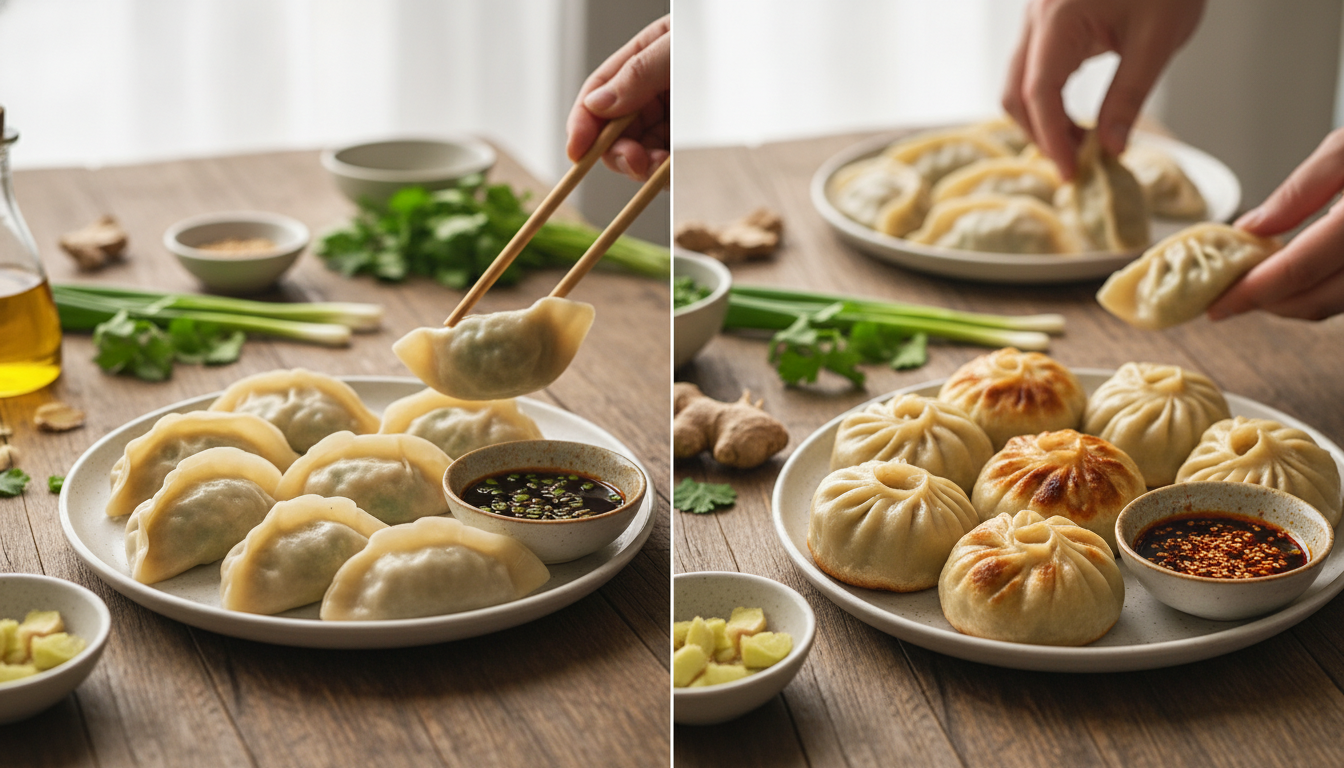
Korean Mandu and Himalayan Momos | Asian Cuisine and Dumplings

Asian Cuisine and Dumplings
Ingredients
Equipment
Method
- In a mixing bowl, combine the flour and salt. Gradually add warm water and mix until a rough dough forms.
- Knead the dough for 8–10 minutes until smooth, then cover and rest for at least 30 minutes.
- In another bowl, combine ground chicken, cabbage, green onions, ginger, garlic, soy sauce, sesame oil, and black pepper. Mix until well combined.
- Divide the rested dough into small pieces and roll each piece into a thin round wrapper, keeping the center slightly thicker than the edges.
- Place a small spoonful of filling in the center of each wrapper. Moisten the edges with water, fold, and pleat to seal tightly.
- To pan-fry, heat oil in a skillet over medium heat. Add dumplings in a single layer and cook until the bottoms are golden.
- Add water to the skillet, cover, and steam for 6–8 minutes, or until the filling is fully cooked.
- Remove the lid and cook for another 1–2 minutes until the bottoms crisp again. Serve warm with soy-vinegar dipping sauce.
Notes
Conclusion
The world of Asian Cuisine and Dumplings is vast, vibrant, and deeply rooted in human history. From the ancient medicinal origins in China to the modern fusion kitchens of the West, these small bundles of flavor continue to bring people together across cultural divides.
Whether you are a seasoned chef or a curious foodie, exploring Asian Cuisine and Dumplings offers endless opportunities for discovery. Every pleat tells a story, and every bite is a celebration of craftsmanship and tradition.
Asian Cuisine and Dumplings will undoubtedly continue to evolve, but their status as the ultimate comfort food is secure. We encourage you to visit a local dim sum house, try a new gyoza recipe, or even host a dumpling-making party with your friends.
Ready to start your journey into the world of Asian Cuisine and Dumplings? Check out our and start pleating your way to a delicious meal today!