Finding the right smoothie recipes can transform your health journey overnight by providing a delicious and efficient way to pack nutrients into your busy schedule. Whether you are looking to shed a few pounds, gain muscle, or simply increase your daily fruit and vegetable intake, mastering the art of the blend is a game-changer. These versatile drinks offer an endless array of flavors and health benefits that cater to every palate and dietary requirement.
Why Smoothies are the Ultimate Nutritional Powerhouse
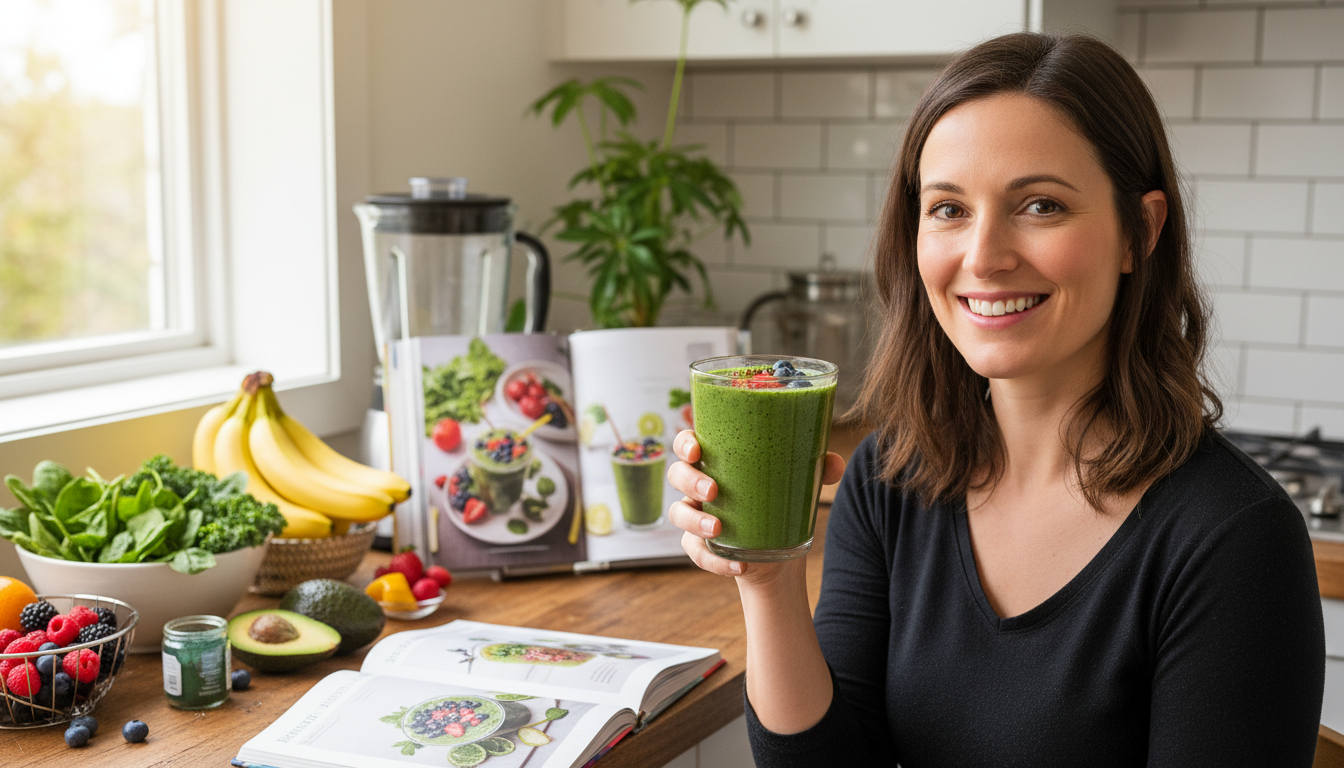
When you start incorporating smoothie recipes into your daily routine, you are doing more than just drinking a tasty beverage; you are providing your body with a concentrated dose of vitality. The beauty of these drinks lies in their ability to condense large volumes of produce into a single, easy-to-consume serving.
Health Benefits of Daily Smoothie Recipes
One of the primary advantages of daily smoothie recipes is the quick absorption of vitamins and minerals. Because the blender breaks down the cellular walls of fruits and vegetables, your digestive system has less work to do. This allows for liquid nutrition to enter your bloodstream more efficiently than if you were eating the whole foods slowly throughout the day.
Furthermore, these smoothie recipes are a natural way to increase your daily fiber intake. Unlike juicing, which removes the pulp, blending retains all the plant fiber. This is crucial for maintaining digestive health, supporting a healthy gut microbiome, and keeping you feeling full for longer periods.
Hydration is another key benefit. Many smoothie recipes utilize water-rich fruits like watermelon, cucumber, and oranges, along with liquid bases like coconut water. This helps maintain your fluid balance while providing essential electrolytes that plain water might lack. healthy breakfast ideas
Customizing for Specific Dietary Needs
Modern smoothie recipes are incredibly adaptable, making them perfect for various lifestyles. For those following a Vegan diet, plant-based milks like almond, soy, or oat provide a creamy base without the need for dairy. If you are on a Keto or Paleo plan, you can easily modify your blends by focusing on low-carb berries, healthy fats, and high-quality protein sources while avoiding high-sugar fruits.
For individuals focusing on blood sugar management, low-glycemic smoothie recipes are essential. By using ingredients like avocado, cinnamon, and leafy greens, you can prevent the insulin spikes often associated with fruit-heavy drinks. This makes it possible for everyone to enjoy a refreshing drink without compromising their metabolic health.
Dairy-free alternatives have come a long way, ensuring that your smoothie recipes maintain a luxurious, creamy texture. Ingredients such as soaked cashews, silken tofu, or full-fat coconut milk can replicate the mouthfeel of traditional yogurt or milk. This ensures that dietary restrictions never mean a sacrifice in flavor or satisfaction.
Essential Equipment and Tools for Making Smoothie Recipes
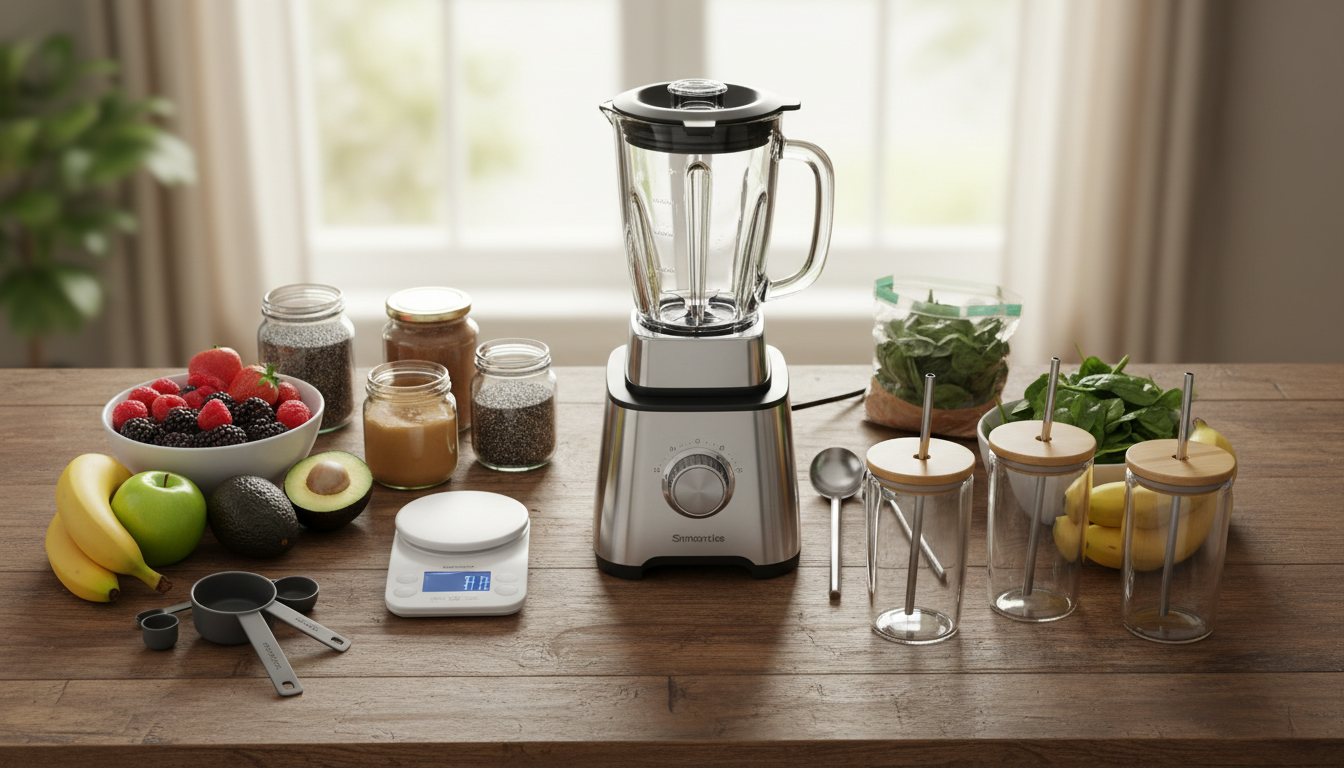
To get the best results from your smoothie recipes, having the right tools in your kitchen is vital. The quality of your equipment can mean the difference between a gritty, unappealing drink and a silky-smooth, professional-grade beverage. Investing in a few key items will make your blending experience much more enjoyable and consistent.
Choosing the Right Blender for Your Smoothie Recipes
When comparing blenders, the primary choice is usually between high-speed blenders and personal bullet blenders. High-speed blenders are the gold standard for smoothie recipes because they can pulverize tough ingredients like frozen kale, ginger roots, and ice into a perfectly smooth consistency. impact of fruit smoothies on satiety
Personal bullet blenders are excellent for those with limited counter space or for individuals who only need to make a single serving at a time. When looking at features, prioritize wattage and blade quality. A higher wattage usually indicates a stronger motor that won’t burn out when processing thick smoothie recipes. Look for stainless steel blades and multiple speed or pulse settings for maximum control.
Budget is always a consideration, but it is often worth investing in a professional-grade machine if you plan on making smoothie recipes every day. While the initial cost is higher, these machines typically come with longer warranties and offer superior performance that budget models cannot match. However, many mid-range blenders now offer impressive power for a fraction of the price.
Must-Have Kitchen Accessories
Beyond the blender, several accessories can elevate your experience with smoothie recipes. Reusable glass or silicone straws are not only eco-friendly but also make drinking thicker blends much easier. Glass straws, in particular, are easy to clean and do not alter the flavor of your drink.
For those who like to prepare ahead of time, airtight storage containers are essential. Mason jars or vacuum-insulated tumblers are perfect for keeping your smoothie recipes fresh if you need to take them to work or the gym. Keeping oxygen out is the key to preventing the oxidation that can change the color and taste of your drink.
Another clever hack is using silicone molds to freeze leftover portions. If you make too much, simply pour the extra into large ice cube molds. You can then pop these “smoothie cubes” into your next batch of smoothie recipes to add extra chill and flavor without diluting the mixture with plain ice. fruit nutrition facts
The Anatomy of a Perfect Smoothie Recipe
Crafting the best smoothie recipes is a bit like chemistry; it requires the right balance of components to achieve the perfect result. Understanding the fundamental structure of a blend allows you to improvise and create your own signature drinks with confidence.
The Golden Ratio of Liquid to Solids
The secret to smoothie recipes that are “sippable” rather than “spoonable” (unless you’re making a bowl!) is the liquid-to-solid ratio. A standard starting point is 1 cup of liquid to 2 cups of solid ingredients. If your drink ends up too thick, you can slowly add more liquid while the blender is running to reach your desired consistency.
Common texture issues like grit usually stem from not blending long enough or having too little liquid. On the other hand, wateriness often occurs when using too much ice or water-heavy fruits without a thickening agent like banana or yogurt. To ensure a smooth result, always follow the correct order of operations: add your liquid first, followed by powders and greens, then soft fruits, and finally frozen items and ice on top. This helps the blades catch the liquid immediately, creating a vortex that pulls the solids down.
Balancing Macronutrients for Satiety
To make smoothie recipes that serve as a full meal replacement, you must balance your macronutrients. Adding healthy fats is the most effective way to stay full longer. Ingredients like half an avocado, a tablespoon of almond butter, or chia seeds provide the satiety that fruit alone cannot offer.
Protein is equally important for muscle repair and metabolic health. You can choose from a variety of protein powders—such as whey, pea, or hemp—or opt for whole-food sources like Greek yogurt or cottage cheese. These additions turn simple smoothie recipes into powerful tools for body composition goals.
Don’t forget complex carbohydrates for sustained energy. Incorporating a handful of rolled oats or a tablespoon of flaxseed meal into your smoothie recipes provides slow-releasing energy that prevents the mid-morning crash. This balance ensures your blood sugar remains stable throughout the day.
Natural Sweeteners vs. Refined Sugars
The best smoothie recipes avoid refined sugars entirely, relying instead on the natural sweetness of whole foods. Medjool dates are a fantastic option for a caramel-like sweetness, while ripe bananas provide a creamy base and plenty of natural sugar. A small drizzle of maple syrup or honey can also be used sparingly to enhance flavor.
If you are monitoring your calorie or sugar intake, consider low-calorie options like monk fruit or stevia. These can provide the sweetness you crave in your smoothie recipes without the added calories. Often, just a pinch is all you need to balance out the earthiness of greens or the tartness of berries.
You can also enhance flavor without any sugar at all by using warming spices. Cinnamon, vanilla bean paste, nutmeg, or even a pinch of sea salt can make your smoothie recipes taste like a gourmet treat. These aromatics trick the palate into perceiving sweetness, allowing you to cut back on sugar sources. green smoothie benefits
Fruit-Forward Smoothie Recipes for Natural Energy
Fruit-based smoothie recipes are the most popular variety for a reason: they are naturally sweet, vibrant, and packed with vitamins. These blends are perfect for a morning boost or a pre-workout snack when you need quick-acting energy.
Tropical Paradise Blends
Tropical smoothie recipes often feature mango, pineapple, and papaya, which are incredible for a vitamin C boost. These fruits also contain enzymes like bromelain (found in pineapple) that aid in digestion. Pairing these with coconut milk creates a vacation-in-a-glass experience that is hard to beat.
The role of coconut water in these smoothie recipes cannot be overstated. It acts as a natural electrolyte replenisher, making it an ideal liquid base for those who are active or live in warm climates. Its light, nutty flavor complements the sweetness of tropical fruits perfectly without being overpowering.
To add a sophisticated twist to your tropical smoothie recipes, try adding a squeeze of fresh lime juice or the pulp of a passionfruit. The acidity cuts through the sweetness and provides a zesty finish that makes the drink incredibly refreshing and complex.
Berry Blast Variations
Berries are the nutritional superstars of many smoothie recipes. Blueberries, raspberries, and blackberries are high in antioxidants and lower in sugar than many other fruits. They provide a beautiful deep purple or red hue to your drinks and are easily stored in the freezer for year-round use.
When making berry-based smoothie recipes, pairing them with citrus fruits like oranges or grapefruit can maximize iron absorption. The vitamin C in the citrus helps your body utilize the non-heme iron found in any greens or seeds you might have added.
Low-calorie berry mixes are excellent for weight management. Because berries are high in fiber but low in energy density, you can use a large volume of them in your smoothie recipes to create a filling drink that won’t exceed your daily calorie goals. They are the perfect “volume-eating” hack for the blending world.

Nutrient-Dense Green Smoothie Recipes
Green smoothie recipes are often the final frontier for beginners, but they are arguably the most beneficial for your health. The key is knowing how to balance the earthy flavors of vegetables with the right amount of sweetness.
Beginner-Friendly Leafy Green Blends
If you are new to green smoothie recipes, start with baby spinach. It has a very mild flavor that is easily masked by fruit, yet it provides a massive dose of iron, calcium, and Vitamin K. It blends much smoother than tougher greens, ensuring you won’t have any unappealing “bits” in your drink.
Pairing your greens with sweet fruits like pears or green apples is a classic strategy. These fruits have a crispness that complements the spinach without making the smoothie recipes taste “grassy.” For the best texture, always blend your liquid and greens together first before adding your other ingredients. This ensures the greens are completely liquefied.
As you get used to the taste, you can gradually increase the ratio of greens in your smoothie recipes. Many people find that after a week of drinking green blends, their palate changes, and they begin to crave the fresh, clean taste of vegetables in the morning.
Advanced Detox Green Machines
For the seasoned pro, advanced smoothie recipes might incorporate kale, Swiss chard, or even collard greens. These “hard” greens are more nutrient-dense but have a stronger flavor profile. Using a high-speed blender is essential here to ensure the tough fibers are broken down completely.
You can also supercharge these smoothie recipes with superfood add-ins like spirulina, wheatgrass, or chlorella. These powders offer a concentrated source of chlorophyll and minerals. While they can be quite strong, start with a small half-teaspoon dose and work your way up as your taste buds adapt.
Using cucumber and celery as a base for your smoothie recipes is a great way to keep sugar levels low while maximizing hydration. These vegetables are mostly water but contain important phytonutrients. They provide a very “clean” taste that is perfect for a morning detox or a refreshing afternoon pick-me-up.
Masking the Taste of Bitter Greens
If you find certain smoothie recipes too bitter, there are several tricks to fix them. Frozen bananas are the ultimate “eraser” for bitterness; their creamy texture and high sugar content can neutralize almost any green flavor. Frozen mango works in a similar way, providing a tropical sweetness that covers up the earthiness of kale.
The magic of lemon or lime juice in brightening earthy flavors should not be ignored. A simple squeeze of citrus can transform dull smoothie recipes into something vibrant and palatable. The acid helps to “cut” through the bitter notes and makes the entire drink feel lighter.
Fresh herbs like ginger and mint can also work wonders. A small knob of fresh ginger adds a spicy kick that distracts the tongue from bitterness, while mint provides a cooling sensation. Both ingredients also offer their own digestive benefits, making them a “win-win” addition to your smoothie recipes.
High-Protein and Post-Workout Smoothie Recipes
After a grueling workout, your body needs specific nutrients to recover and grow. Post-workout smoothie recipes are the perfect vehicle for delivering fast-digesting proteins and replenishing glycogen stores quickly.
Muscle Recovery Blends
Timing is crucial when it comes to post-exercise nutrition. Drinking smoothie recipes within 30 to 45 minutes of finishing your workout can help kickstart the muscle protein synthesis process. Using a fast-acting protein like whey isolate is often recommended for this specific window.
However, plant-based smoothie recipes are equally effective if they contain a complete amino acid profile. Pea and rice protein blends are popular choices for athletes following a vegan lifestyle. To further enhance recovery, consider adding anti-inflammatory ingredients like turmeric (with a pinch of black pepper) or tart cherry juice, which has been shown to reduce muscle soreness.
Adding a source of fast-acting glucose, like a banana or a handful of grapes, to these smoothie recipes helps to shuttle the protein into your muscle cells more effectively. This combination of protein and carbs is the “gold standard” for recovery.
Indulgent Chocolate-Peanut Butter Shakes
Who says healthy eating has to be boring? Indulgent smoothie recipes that taste like dessert can actually be quite nutritious. By using raw cacao powder, you get all the chocolate flavor along with a significant dose of magnesium and antioxidants without the sugar found in processed chocolate.
Pairing cacao with healthy fats from peanut, almond, or cashew butter creates a rich, creamy shake. These smoothie recipes are incredibly satisfying and can easily serve as a meal replacement when you’re craving something sweet. The combination of healthy fats and protein keeps you full for hours.
To turn these into a “dessert-style” meal, you can use unsweetened chocolate almond milk as your base and add a scoop of chocolate protein powder. These smoothie recipes prove that you don’t have to choose between reaching your fitness goals and enjoying your food.
Meal Prep and Storage Tips for Busy Mornings
The biggest hurdle to eating healthy is often time. However, with a little preparation, you can have smoothie recipes ready to blend in less than a minute. Meal prepping your ingredients is the ultimate secret to consistency.
Pre-Portioned Freezer Bags for Smoothie Recipes
Creating “smoothie kits” is a game-changer for busy mornings. Spend 20 minutes on a Sunday portioning out your fruits, greens, and seeds into individual silicone or freezer bags. When you’re ready for breakfast, just dump the bag into the blender, add your liquid, and you’re good to go.
Not all ingredients freeze the same, however. While berries, bananas, and spinach freeze beautifully, you should always add your liquid, protein powder, and creamy bases like yogurt fresh at the time of blending. This ensures the best texture for your smoothie recipes. Labeling and dating your bags is also a good habit to ensure you’re using the oldest kits first.
By having these kits ready, you remove the “decision fatigue” that often leads to less healthy breakfast choices. You’re much more likely to stick to your goals when your smoothie recipes are literally waiting for you in the freezer.
Storage Hacks to Maintain Freshness
If you prefer to blend your smoothie recipes the night before, storage is key. Oxidation is the enemy of nutrition and flavor. To prevent this, fill your container to the very top to leave as little room for air as possible, or use a vacuum-sealing lid if you have one.
Most smoothie recipes will stay fresh in the fridge for about 24 hours, though they may separate. If this happens, a quick shake will usually restore the consistency. If you need to store them longer, you can freeze the blended smoothie in an airtight jar (leave room for expansion!) and let it thaw in your bag during the morning.
The “shake and go” method is also popular for people who don’t mind a slightly thinner drink. By keeping your pre-blended smoothie recipes in a shaker bottle with a metal ball, you can easily re-incorporate any ingredients that have settled. This makes it easy to enjoy your drink even hours after it was made.
Elevating the Experience: Smoothie Bowls
Sometimes you want to eat your breakfast with a spoon. By reducing the liquid ratio in your smoothie recipes, you can create a thick, ice-cream-like consistency known as a smoothie bowl. These are perfect for weekend mornings when you have a bit more time to enjoy your meal.
The joy of a bowl lies in the toppings. Adding granola, chia seeds, hemp hearts, and fresh fruit adds a much-needed crunch and variety of textures. This makes the smoothie recipes feel more like a “real meal” and can be more psychologically satisfying than drinking your lunch.
Visual presentation is also part of the fun. Arranging your toppings in neat rows or patterns makes for “Instagrammable” healthy meals that look as good as they taste. It’s a great way to get children excited about eating more fruit and vegetables through creative smoothie recipes.
Quick Tips for Better Blending
- Liquid First: Always pour your liquid into the blender before the solids to prevent the blades from getting stuck.
- Frozen is Better: Using frozen fruit instead of ice creates a creamier, less watery texture in your smoothie recipes.
- Sweeten Naturally: Use overripe bananas for the best natural sweetness without needing extra sugar.
- Don’t Forget the Fat: A small amount of healthy fat helps your body absorb the fat-soluble vitamins (A, D, E, K) in your greens.
Conclusion: Mastering Your Favorite Smoothie Recipes
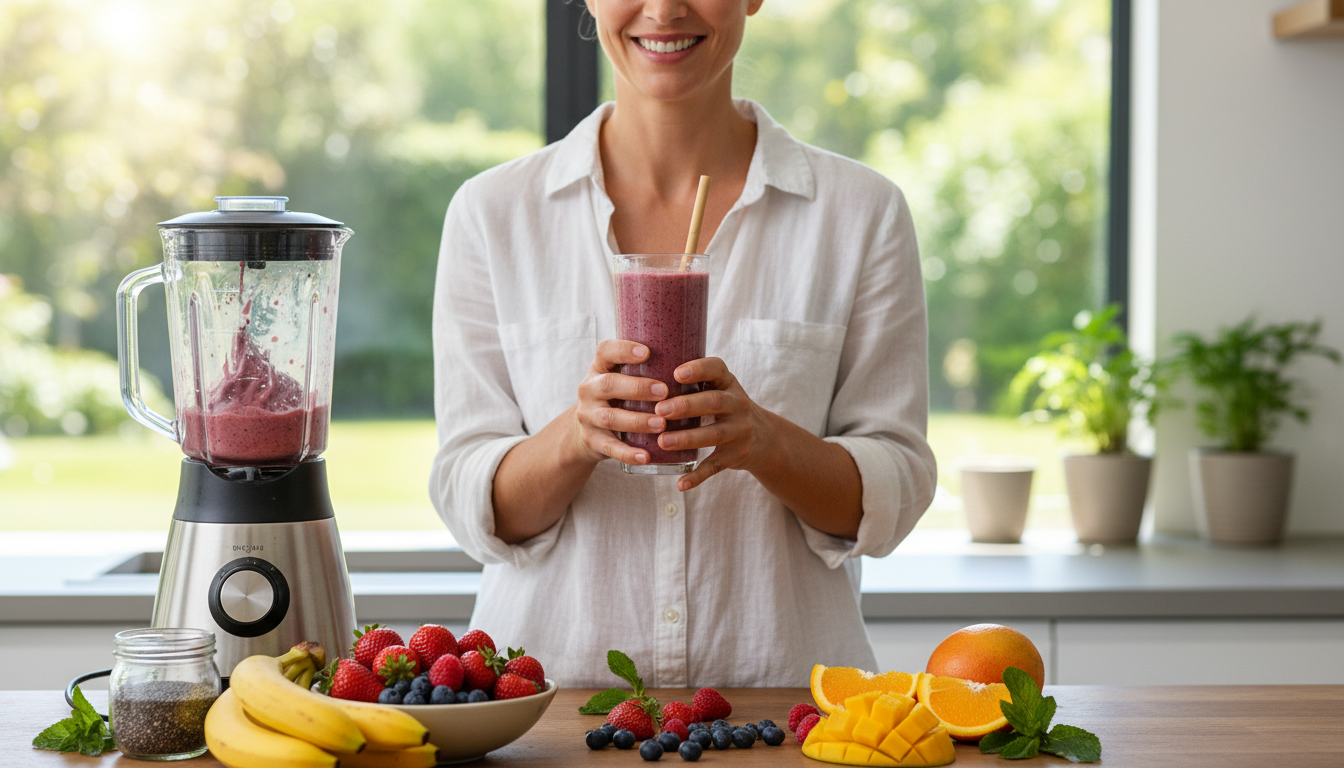
In conclusion, incorporating a variety of smoothie recipes into your lifestyle is one of the simplest and most effective ways to improve your overall health. From the energy-boosting properties of tropical fruits to the deep nutritional density of leafy greens and the recovery power of protein-packed shakes, there is a blend for every need. By investing in quality equipment, understanding the “golden ratio” of ingredients, and utilizing meal-prep hacks, you can make healthy eating both effortless and delicious. Start experimenting with different flavors today and discover how these smoothie recipes can fuel your journey toward a more vibrant, energized version of yourself. Your body will thank you for every nutrient-packed sip!
Ready to start blending? Pick one of the categories above and try a new recipe this week. Don’t forget to share your favorite smoothie recipes with friends and family to help them on their health journey too!