30g Protein in 5 Minutes Easy Recipe
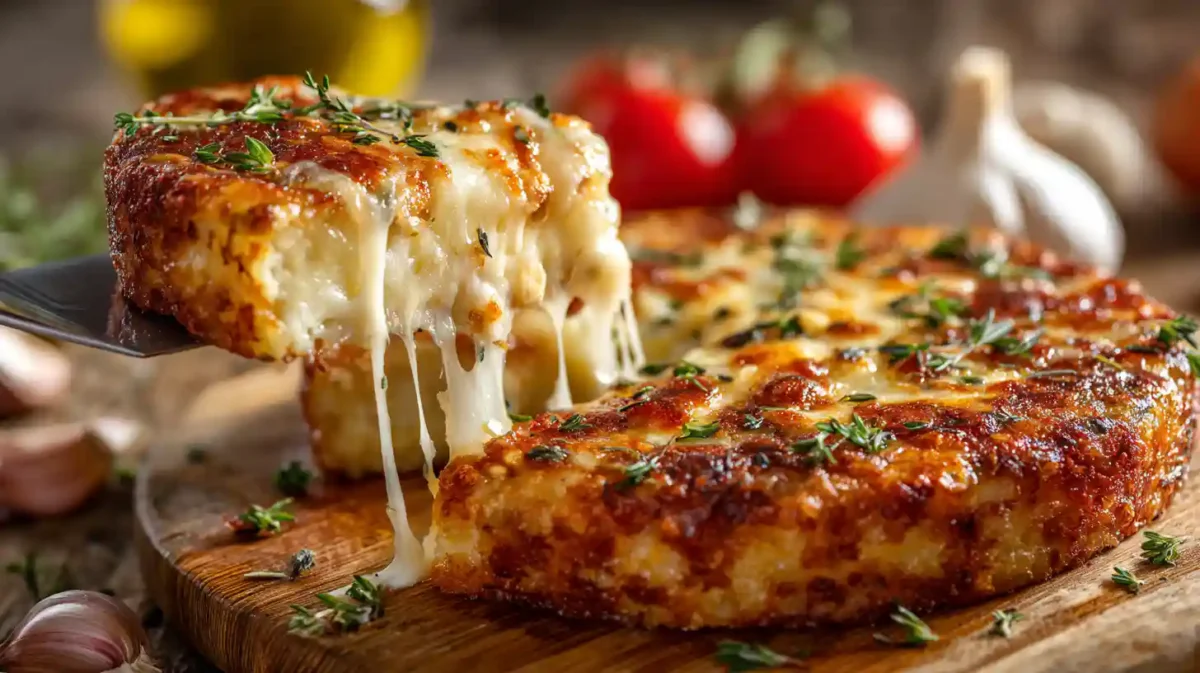
The Cottage Cheese Pizza Bowl represents a strategic approach to meal construction one that delivers substantial protein content, authentic Italian-inspired flavors, and genuine satiety within a preparation window of fewer than five minutes. By recontextualizing cottage cheese as a pizza base rather than viewing it solely as a standalone protein source, this recipe transforms both the ingredient’s perception and its culinary applications.
Table of Contents
The dish accomplishes what few quick-meal solutions achieve: it satisfies pizza cravings through authentic flavor delivery while simultaneously advancing nutritional objectives. With approximately 30 grams of protein per serving, this bowl serves as an effective option for athletes, professionals managing demanding schedules, and anyone seeking to optimize macronutrient intake without compromising on taste.
Understanding the Ingredient Selection
Cottage Cheese: The Nutritional Foundation
Cottage cheese functions as the structural and nutritional centerpiece of this dish. Its protein composition predominantly casein, a slow-digesting protein provides sustained amino acid release, supporting muscle preservation and extended satiety. A single cup delivers 12-14 grams of protein depending on fat content, establishing the baseline for the bowl’s high-protein profile.
The heating process fundamentally transforms cottage cheese’s texture. When microwaved, the curds break down and moisture redistributes, creating a creamy, ricotta-like consistency that serves as an ideal canvas for pizza toppings. This thermal transformation explains why the finished bowl bears little resemblance to cold, raw cottage cheese and everything one might expect from a pizza-inspired dish.
Regarding fat content, both full-fat and low-fat varieties perform admirably. Full-fat versions offer enhanced richness and flavor perception, while reduced-fat options support calorie management without compromising structural integrity or taste.
Supporting Ingredients
Marinara Sauce (2 tablespoons): Provides the essential tomato-based foundation characteristic of pizza. The sauce contributes acidity, umami depth, and moisture. Quality matters select a marinara with minimal added sugars and recognizable ingredients.
Shredded Mozzarella (¼ cup): Essential for achieving the signature melted cheese quality. Low-moisture, part-skim mozzarella delivers excellent melt characteristics while reducing fat content compared to whole-milk alternatives. Pre-shredded varieties work adequately, though freshly shredded cheese offers superior melt quality.
Turkey Pepperoni (8 slices): Delivers the quintessential pizza flavor with reduced fat content compared to traditional pork-based pepperoni. The slices develop desirable crispy edges during microwaving, contributing textural contrast to the creamy base.
Optional Seasonings: Red pepper flakes provide heat customization. Italian seasoning (typically containing oregano, basil, thyme, and rosemary) reinforces Italian flavor profiles. Fresh basil, added after heating, contributes brightness and aromatic complexity.
Preparation Methodology
Equipment Requirements
The selection of appropriate dishware significantly influences outcome quality. A wide, shallow microwave-safe bowl ensures even heating distribution and prevents the pooling and uneven cooking associated with deep, narrow containers. The increased surface area facilitates optimal heat penetration through the cottage cheese layer.
Step-by-Step Process
Initial Heating Phase: Place one cup of cottage cheese in the prepared bowl. Microwave on high power for 60-90 seconds until the edges show gentle bubbling and the temperature reaches warm throughout. This phase initiates the crucial textural transformation.
Sauce Application: Remove the bowl and distribute two tablespoons of marinara evenly across the warm cottage cheese surface using the back of a spoon. Ensure coverage extends to within approximately half an inch of the bowl’s edge.
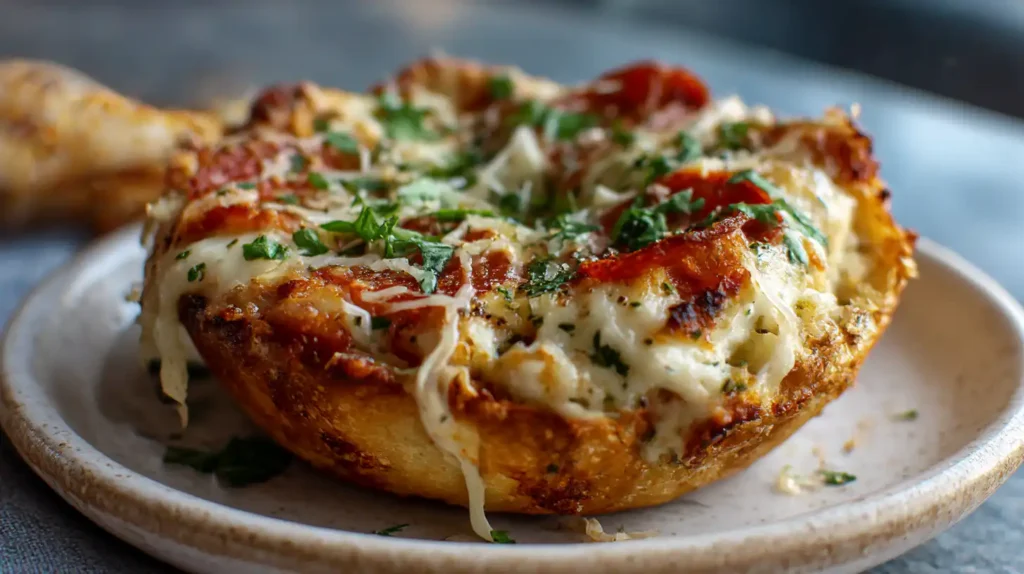
Topping Layering: Sprinkle shredded mozzarella uniformly over the sauce layer. Arrange eight pepperoni slices across the surface, slightly overlapping for maximum coverage and increased opportunity for crispy edge development.
Final Heating: Return the assembled bowl to the microwave for 30-45 seconds on high power. The objective is complete mozzarella melting with bubbly, slightly golden characteristics.
Rest and Service: Allow a 30-second rest period before serving. This interval permits temperature equilibration and flavor integration while reducing burn risk. Add optional seasonings immediately before consuming.
Technical Considerations
Achieving Optimal Texture
The heated cottage cheese develops a creamy, spreadable consistency distinctly different from the stringy quality of melted mozzarella. This textural distinction is intentional and reflects proper execution. The cottage cheese base should resemble warm ricotta smooth, cohesive, and slightly loose in structure.
Preventing Common Issues
Overflow Prevention: Monitor the bowl during heating phases. Aggressive bubbling indicates excessive heat exposure. Terminate microwave operation immediately upon observing vigorous bubbling. Using a sufficiently large bowl prevents surface overflow.
Moisture Management: Some liquid separation during heating is normal and expected. This moisture release contributes to the desired creamy texture. If excessive pooling occurs, gently stir the cottage cheese and optionally drain minimal liquid before adding toppings.
Pepperoni Customization: For crispier pepperoni results, extend the final heating interval by 10-15 seconds while observing closely to prevent burning.
Culinary Variations
The recipe’s adaptable nature permits numerous modifications while maintaining the core concept.
Protein Enhancement
For increased protein content, incorporate additional cooked Italian sausage, shredded chicken, or crumbled bacon. An alternative approach involves stirring one tablespoon of cream cheese into the warm cottage cheese, creating an ultra-creamy base with additional fat and protein content.
Vegetable Incorporations
Finely diced vegetables add nutritional density and textural variety. Suitable options include mushrooms, bell peppers, black olives, and fresh spinach. Add raw vegetables before the final heating phase for slight wilting, or incorporate after microwaving to preserve crunch.
Flavor Profile Adjustments
Spicy Variant: Increase red pepper flakes to one-half teaspoon, or incorporate jalapeño slices for heightened heat.
Herb-Forward Version: Add fresh herbs—basil, oregano, or chives—after heating to preserve their aromatic qualities.
Mediterranean Adaptation: Substitute hummus or tzatziki for marinara, and incorporate feta cheese, olives, and cucumber for a distinctly different flavor profile.
Dietary Accommodations
The recipe is naturally gluten-free. For dairy-free applications, substitute plant-based cottage cheese alternatives and vegan mozzarella varieties. Sodium-conscious individuals should select reduced-sodium products throughout.
Storage and Shelf Life
Fresh Preparation Recommendation
This dish achieves optimal quality when consumed immediately following preparation. The melted cheese texture and crispy pepperoni characteristics diminish substantially upon standing.
Refrigerated Storage
Transfer any leftovers to an airtight container and refrigerate for up to 48 hours. Reheat using 30-second microwave intervals, stirring between each interval, until reaching desired temperature. Texture will differ from fresh preparation—the cottage cheese base becomes softer and releases additional moisture.
Component Preparation Strategy
For efficient meal assembly, portion individual components separately: cottage cheese in covered containers, marinara measured into small jars, cheese and pepperoni in original packaging. Stored appropriately, these components remain viable for three to five days, enabling rapid bowl assembly when needed.
Frequently Asked Questions
Which cottage cheese variety performs best?
Both small and large curd cottage cheese yield acceptable results. Large curd varieties may produce slightly superior textural transformation during heating, though the difference is marginal. Any unsweetened, unflavored cottage cheese serves the recipe appropriately.
What accounts for watery cottage cheese after microwaving?
Moisture release during heating represents normal behavior for cottage cheese. The liquid integrates into the finished texture and contributes to the desired creamy quality. Excessive liquid may indicate over-heating—adjust timing accordingly for subsequent preparations.
Is freezing recommended?
Freezing is not recommended. Cottage cheese undergoes significant texture degradation upon freezing and thawing, becoming grainy and releasing excessive moisture. Given the five-minute preparation requirement, fresh preparation remains the practical approach.
Nutritional Profile
Per serving (approximately):
| Nutrient | Amount |
|---|---|
| Calories | 350 |
| Protein | 30g |
| Carbohydrates | 18g |
| Fat | 15g |
| Sodium | 900mg |
| Calcium | 300mg |
The macronutrient distribution emphasizes protein (approximately 34% of calories), with moderate fat content (46%) and controlled carbohydrates (20%). This profile supports muscle preservation, extended satiety, and stable blood glucose response.
Conclusion
The Cottage Cheese Pizza Bowl demonstrates that nutritional optimization and culinary satisfaction need not exist in opposition. Through strategic ingredient selection and minimal preparation, this recipe delivers 30 grams of protein with genuine pizza-inspired flavor in under five minutes.
The dish suits diverse applications: post-exercise recovery nutrition, efficient weeknight meals, late-night satiety solutions, and high-protein dietary approaches. Its inherent adaptability accommodates various taste preferences and dietary requirements while maintaining consistent quality and preparation simplicity.
This recipe merits consideration as a permanent addition to any meal rotation. Its combination of protein density, flavor authenticity, and time efficiency addresses genuine practical needs without demanding compromise on either nutrition or taste.
Recipe yields one serving. Nutritional values are approximate and vary based on specific ingredient brands selected.