Major Cheese Recall Issued Over Safety Concerns: What Consumers Need to Know
A significant cheese recall has been announced, affecting multiple retail locations across the country. Here’s what you need to know about the recall and how to protect your family.
Table of Contents
What Was Recalled?
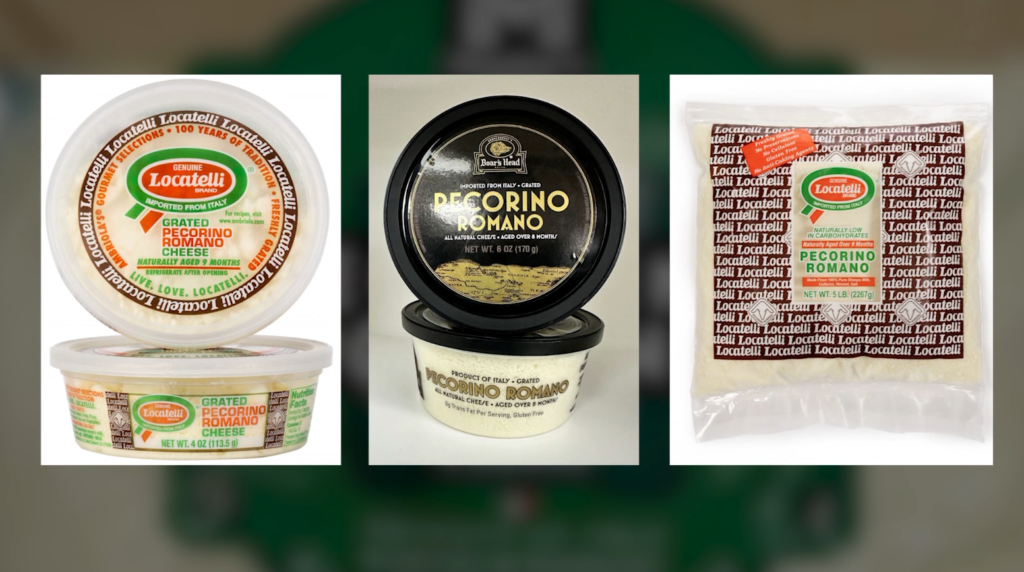
Health authorities have issued a recall for several cheese products due to potential contamination concerns. The recall affects multiple brands and varieties, including cheddar, mozzarella, and specialty cheese products distributed to grocery stores and food service establishments nationwide.
The products were manufactured between specific dates and bear particular lot codes on their packaging. Consumers are advised to check their refrigerators and discard any affected products immediately.
Why Was the Recall Issued?
The recall stems from potential contamination discovered during routine testing at the manufacturing facility. Health officials identified the risk of bacterial contamination that could pose serious health risks if the products were consumed. The company issued the recall voluntarily in cooperation with regulatory agencies to prevent any public health incidents.
Which Products Are Affected?
The recall impacts cheese products with specific lot numbers and expiration dates. A detailed list of affected products, including brand names, product types, and lot codes, has been published by health authorities. Consumers should carefully review their cheese packaging and cross-reference it with the official recall list available on the FDA website or the manufacturer’s website.
Health Risks
The contamination poses potential health risks, particularly for vulnerable populations including young children, elderly individuals, and those with compromised immune systems. Symptoms of contamination exposure may include gastrointestinal distress, fever, and other illness indicators. Anyone who has consumed the recalled products and experiences symptoms should seek medical attention and inform their healthcare provider about the potential exposure.
What Should Consumers Do?
If you have purchased any of the recalled cheese products, take the following steps immediately:
Stop consuming the product and do not serve it to others. Check your purchase receipts and the product packaging against the recall list. Dispose of the affected cheese safely by placing it in a sealed bag before throwing it away. Contact the manufacturer or retailer if you have questions about your specific purchase. Request a refund or replacement from the store where you purchased the product.
Refunds and Replacements
Retailers are offering full refunds for recalled products, even without a receipt in many cases. Contact your local grocery store’s customer service or the manufacturer’s customer service line for specific information about returns and refunds. Many companies have established special hotlines to handle recall-related inquiries quickly.
What’s Being Done?
Health authorities are working closely with the manufacturer to investigate the source of contamination and prevent future incidents. The manufacturing facility has implemented enhanced safety protocols and additional testing measures. Regular inspections and monitoring will continue to ensure product safety before the facility resumes full production.
Prevention Tips for the Future
To minimize food safety risks, consumers should purchase cheese from reputable retailers, check expiration dates and lot numbers before purchasing, store cheese at appropriate temperatures, and stay informed about food recalls through official health agency channels. Following proper food storage and handling practices at home also reduces the risk of foodborne illness.
Where to Find More Information
For the most up-to-date information about the recall, visit the FDA website or your local health department’s official channels. The manufacturer’s website also provides detailed information about affected products and how to obtain refunds. Don’t rely on social media for recall information always verify details through official sources.
Conclusion
While food recalls can be concerning, the swift action by manufacturers and health authorities demonstrates the importance of food safety oversight. By staying informed and taking appropriate action, consumers can protect themselves and their families. If you have any concerns about products you’ve purchased or consumed, don’t hesitate to contact health authorities or your healthcare provider for guidance.

Cheese Recall Information
Ingredients
Affected Cheese Products
- Multiple cheese types including cheddar, mozzarella, and specialty cheeses Check for specific lot numbers and expiration dates.
Instructions
Steps to Take
- Stop consuming the recalled cheese products immediately.
- Check your purchase receipts and compare the product packaging with the official recall list.
- Dispose of any affected products safely by placing them in a sealed bag before throwing them away.
- Contact the manufacturer or retailer if there are questions regarding your purchase.
- Request a refund or replacement from the store where the cheese was bought.