Mastering Bento Box Meals is not just about packing food; it’s about embracing a lifestyle that champions health, creativity, and efficiency. These thoughtfully assembled, single-portion meals have transcended their Japanese origins to become a global phenomenon, revolutionizing how people approach lunch. Whether you’re a busy professional, a health-conscious individual, or a parent looking to make mealtime fun for your kids, the concept of Bento Box Meals offers unparalleled versatility and benefits. This ultimate guide will delve into everything you need to know, from the rich history and practical advantages to essential components, safety tips, and inspiring recipes for your very own delicious and nutritious Bento Box Meals.
🍳 Teriyaki Chicken Bento Box
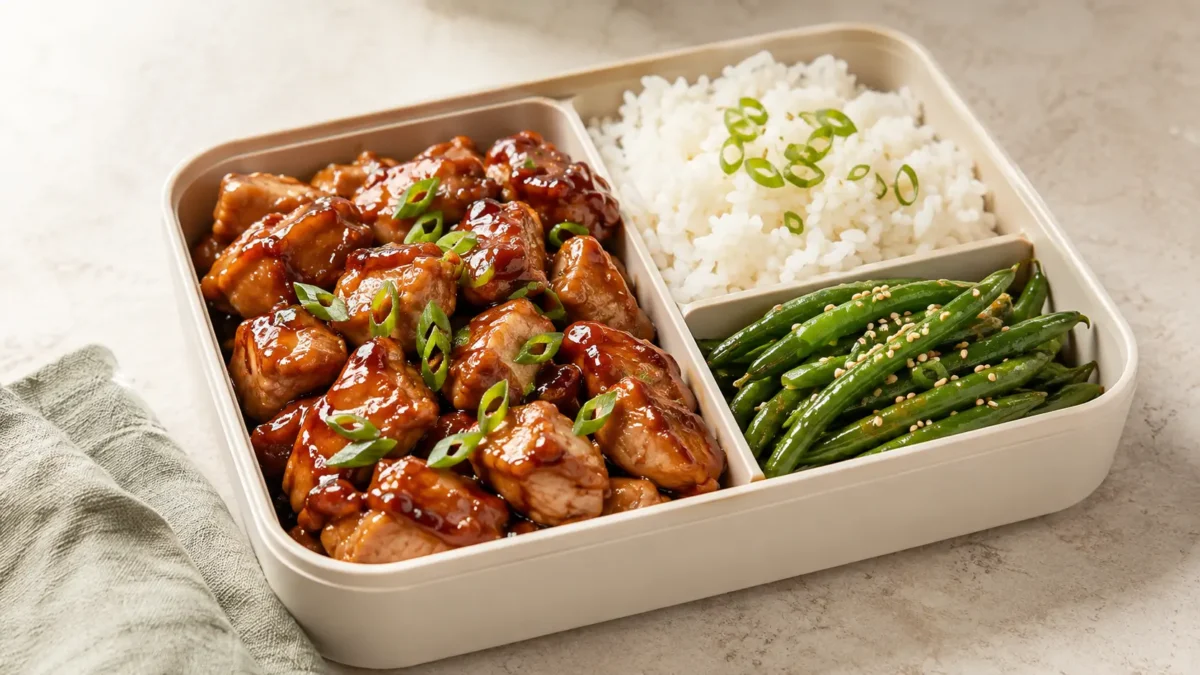
A classic bento featuring succulent teriyaki chicken, crisp sesame green beans, and fluffy steamed rice, perfect for a balanced and delicious packed lunch.
20 min
20 min
40 min
4
Easy
🥗 Ingredients
- 1 lb boneless, skinless chicken thighs, cut into 1-inch pieces
- 1/2 cup low-sodium soy sauce
- 1/4 cup mirin
- 2 tbsp sake (optional)
- 2 tbsp brown sugar
- 1 tbsp grated fresh ginger
- 2 cloves garlic, minced
- 1 lb fresh green beans, trimmed
- 1 tbsp sesame oil
- 1 tbsp toasted sesame seeds
- 2 cups cooked sushi rice or short-grain rice
- Green onion, sliced, for garnish (optional)
👨🍳 Instructions
- In a medium bowl, whisk together soy sauce, mirin, sake (if using), brown sugar, grated ginger, and minced garlic. Add chicken pieces, toss to coat, and marinate for at least 15 minutes at room temperature (or up to 30 minutes in the refrigerator).
- While chicken marinates, steam or boil the trimmed green beans until crisp-tender, about 3-5 minutes. Drain well and toss with sesame oil and toasted sesame seeds. Set aside.
- Heat a large non-stick skillet or wok over medium-high heat. Remove chicken from marinade, reserving the marinade. Add chicken to the hot skillet in a single layer and cook for 3-4 minutes per side until lightly browned.
- Pour the reserved marinade over the chicken. Bring to a simmer and cook, stirring occasionally, for 5-7 minutes, or until the sauce thickens and glazes the chicken.
- Remove the chicken from heat and let cool slightly.
- Assemble bento boxes: Divide the cooked rice, teriyaki chicken, and sesame green beans evenly among four bento containers.
- Garnish with sliced green onion, if desired. Pack when ingredients are cool for best results. Serve warm or at room temperature.
📊 Nutrition (per serving)
calories
protein
fat
carbs
fiber
sugar
Pack the bento box when ingredients are cool to prevent condensation and keep food fresh. For a more complete meal, add a small side of fruit or a simple salad. Store in an airtight container in the refrigerator for up to 3 days.
The Art and History of Bento Box Meals
The practice of packing single-portion, portable meals has been a part of Japanese culture for centuries, evolving into the beloved Bento Box Meals we recognize today. This tradition is deeply intertwined with Japanese aesthetics and a philosophy of balanced nutrition.
What Exactly is a Bento Box?
At its core, a bento box is a portable, compartmentalized single-portion takeout or home-packed meal originating from Japan. It’s designed to hold a complete and balanced meal within a compact, often beautifully designed container.
- Definition: More than just a lunchbox, a bento is a carefully arranged and balanced meal. It’s an exercise in efficiency and aesthetics, ensuring that each component of the meal is thoughtfully included and presented.
- Core components: Typically, a bento includes a carbohydrate (like rice or noodles), a protein (fish, meat, or tofu), a variety of vegetables, and often a piece of fruit. This combination aims to provide a well-rounded meal in terms of both nutrition and flavor. The variety is key to the appeal of Bento Box Meals.
- Concept of ‘washoku’: The principles of ‘washoku’ – traditional Japanese cuisine – are deeply embedded in the bento tradition. ‘Washoku’ emphasizes variety, balance, and aesthetic appeal. Each bento strives for a harmonious blend of colors, flavors, and textures, reflecting the changing seasons and promoting mindful eating. The careful preparation of Bento Box Meals aligns perfectly with these principles.
- Modern interpretations: While traditional Japanese Bento Box Meals often feature specific Japanese dishes, modern interpretations have broadened considerably. Western adaptations and fusion bentos incorporate global cuisines, from Mediterranean to Mexican, showcasing the incredible adaptability of the bento concept. These modern twists ensure that everyone can enjoy the convenience and health benefits of Bento Box Meals.
A Journey Through Bento’s Rich History
The history of Bento Box Meals is a fascinating tapestry woven through centuries of Japanese culture, reflecting societal changes, technological advancements, and evolving culinary practices. From humble beginnings to its current global popularity, the bento has always been a symbol of care and thoughtful preparation.
- Ancient origins: The concept of portable meals can be traced back to the ‘Kojiki’ era (5th-8th century), Japan’s oldest historical record. Farmers and travelers would carry simple meals, often dried rice or grain, wrapped in leaves or packed into woven baskets. These early forms of Bento Box Meals were purely functional, designed to sustain individuals during long journeys or arduous work.
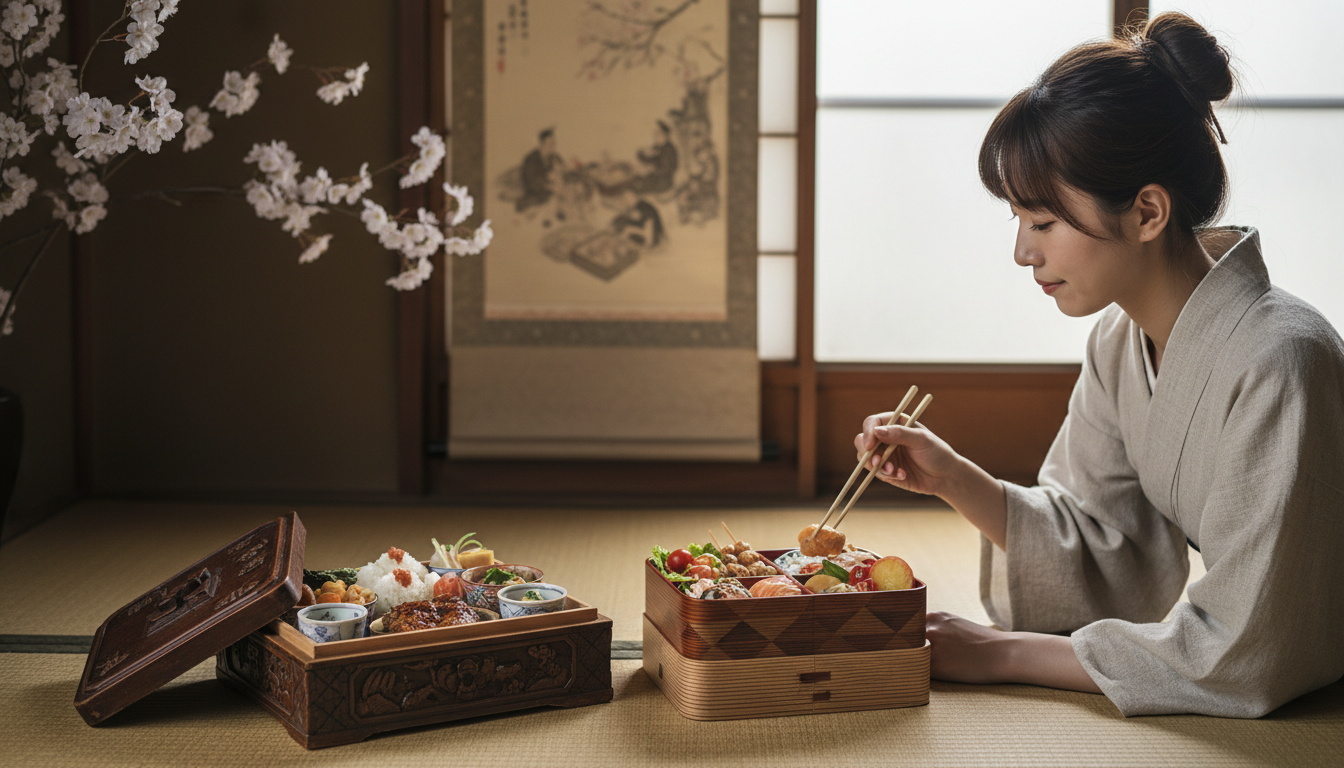
- Edo Period (1603-1868): This era marked a significant evolution in the sophistication of Bento Box Meals. With increased leisure time, elaborate meals were prepared for picnics, cherry blossom viewing parties (hanami), and theatre performances. Lacquered wooden boxes, often beautifully crafted, became popular containers for these refined meals. The attention to detail and presentation began to solidify the artistic aspect of Bento Box Meals during this period.
- Meiji Period (1868-1912): A pivotal development was the introduction of ‘ekiben’ (train station bentos) with the rise of railways. These convenient, regionally specific Bento Box Meals offered travelers a delicious taste of local cuisine while on the go. ‘Ekiben’ quickly became an iconic part of the travel experience in Japan and showcased the commercial potential of Bento Box Meals.
- Post-WWII to modern era: After a period of decline due to the rise of convenience foods and school cafeterias, Bento Box Meals experienced a resurgence. This revival was fueled by a renewed focus on health, homemade meals, and creativity. The emergence of ‘kyaraben’ (character bentos), intricately designed to resemble popular characters or animals, captured the hearts of children and adults alike, boosting the global popularity of Bento Box Meals and making them a staple in many households worldwide. This modern era truly cemented the bento’s place as a versatile and beloved meal solution.
Why Bento Box Meals Are Your New Lunchtime Hero
In a world of fast food and pre-packaged snacks, Bento Box Meals offer a refreshing alternative, promoting health, practicality, and an often-overlooked sense of aesthetic pleasure. They are more than just a container; they are a commitment to better eating habits and a more organized lifestyle.
The Health and Nutritional Advantages
One of the primary reasons to embrace Bento Box Meals is the profound positive impact they can have on your health and nutrition. Unlike grab-and-go options, bentos are designed for balance and mindfulness.
- Portion control: The inherent compartmentalization of bento boxes naturally encourages appropriate serving sizes. By assigning specific sections for each food group, it becomes easier to prevent overeating and maintain a balanced calorie intake. This built-in portion control is a major benefit of preparing your own Bento Box Meals.
- Balanced nutrition: A well-packed bento box facilitates the inclusion of all major food groups: carbohydrates for energy, proteins for muscle repair, healthy fats, and an abundance of vitamins and minerals from fruits and vegetables. This ensures a comprehensive nutritional profile for every meal, making Bento Box Meals a truly wholesome choice.
- Emphasis on fresh ingredients: Preparing your own Bento Box Meals encourages home cooking and reduces reliance on processed or fast foods, which are often high in unhealthy fats, sugar, and sodium. You have complete control over the quality and freshness of your ingredients.
- Mindful eating: The visual appeal and organized structure of Bento Box Meals promote a slower, more enjoyable consumption experience. Taking the time to appreciate the colors, textures, and flavors can lead to more mindful eating habits, improving digestion and satisfaction. Eating from a carefully prepared bento can transform your lunchtime.
Practical Benefits for Busy Lifestyles with Bento Box Meals
For individuals juggling demanding schedules, Bento Box Meals are a game-changer. They streamline meal preparation, save money, and offer an environmentally conscious approach to daily eating.
- Cost-effective: Opting to prepare your own Bento Box Meals can significantly reduce your daily food expenses. Buying lunch out regularly can quickly add up, whereas home-prepared meals leverage bulk purchasing and leftovers, saving a substantial amount of money over time.
- Time-saving: Bento Box Meals are ideal for meal prepping and batch cooking. Dedicating a few hours on a weekend to prepare components for several bentos can streamline your daily routines, freeing up precious time during busy weekdays. This efficiency makes Bento Box Meals incredibly practical.
- Eco-friendly: By using reusable bento containers, you actively reduce waste from single-use packaging, plastic bags, and disposable cutlery often associated with takeout meals. This commitment to sustainability is another compelling reason to adopt Bento Box Meals into your routine.
- Variety and customization: The modular nature of Bento Box Meals prevents meal fatigue. You can easily switch out components, experiment with new recipes, or cater to specific dietary preferences or allergies throughout the week, offering endless possibilities for diverse and exciting menus.
Aesthetic Appeal and Creativity
Beyond the practical and nutritional advantages, Bento Box Meals offer an often-overlooked emotional benefit: the joy of beauty and creativity in your daily meals. Eating is an experience, and bento elevates it.
- Eating with your eyes: The organized, colorful, and often artistic presentation of Bento Box Meals makes them inherently more enticing and appetizing. A visually appealing meal can enhance enjoyment and even encourage consumption of less favored, but highly nutritious, foods.
- Kyaraben (character bentos): For parents, kyaraben is a fantastic way to engage children with food. Transforming fruits, vegetables, and proteins into fun characters or shapes can make mealtime exciting and encourage picky eaters to try new things. These creative Bento Box Meals are a labor of love.
- Therapeutic aspect: The process of planning, preparing, and packing a bento can be a relaxing and creative outlet. It’s a moment of mindful creation, an act of self-care, or a thoughtful gesture for a loved one. Many find the structured activity of assembling Bento Box Meals to be meditative.
Essential Bento Box Components: What Goes Inside Your Perfect Bento Box Meals?
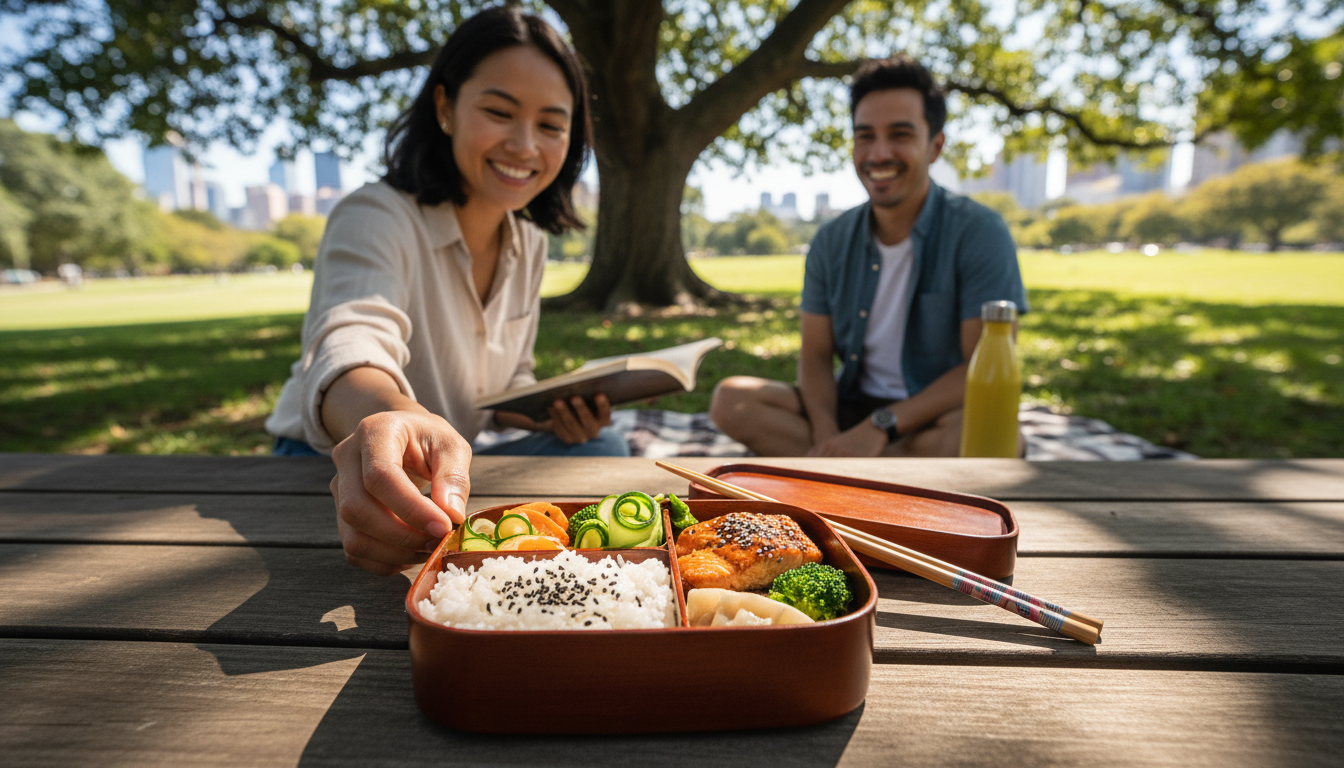
Crafting the perfect bento box involves understanding the role of each component. A successful bento combines different food groups to create a satisfying, balanced, and delicious meal. Here’s a breakdown of the key elements that make up exemplary Bento Box Meals.
The Foundation: Carbohydrates & Grains
Carbohydrates are the energy bedrock of most Bento Box Meals, providing the fuel you need to power through your day. Rice is traditional, but modern bentos embrace a wider array of options.
- Rice: The quintessential bento staple. Options range from fluffy white rice to nutrient-rich brown rice or mixed grains. Rice can be packed plain, formed into onigiri (rice balls) with various fillings, or sprinkled with furikake (a Japanese rice seasoning) for added flavor and visual appeal.
- Noodles: Cold soba (buckwheat noodles), udon, or pasta salads offer excellent alternative carb sources, especially refreshing during warmer months. They can be dressed simply with a light sauce and paired with veggies and protein for a complete bento.
- Bread: For Western-style Bento Box Meals, mini sandwiches, wraps, or even crusty rolls can serve as the primary carbohydrate. Pinwheel sandwiches or cut-out shapes add a fun element, particularly for children.
- Other grains: Quinoa, couscous, and farro salads provide diverse textures, flavors, and nutrients. These can be prepared in advance, seasoned with herbs and spices, and mixed with chopped vegetables for a hearty and healthy base for your Bento Box Meals.
Powering Up: Proteins & Savory Mains
Protein is crucial for satiety and muscle health, making it a central component of any balanced bento. The options are vast, catering to all dietary preferences and culinary tastes when preparing Bento Box Meals.
- Meat: Popular choices include grilled chicken (teriyaki chicken, karaage – Japanese fried chicken), thinly sliced beef (gyudon-style), or pork (like tonkatsu cutlets). These are often cooked in advance and sliced into bite-sized pieces for easy eating.
- Fish: Grilled salmon, mackerel, or even tuna salad (packed separately with crackers or onigiri) offer excellent omega-3 fatty acids and lean protein. Cold smoked salmon can also be a delightful addition to your Bento Box Meals.
- Eggs: Versatile and delicious, eggs are a bento favorite. Tamagoyaki (Japanese rolled omelet), hard-boiled eggs (halved or quartered), mini frittatas, or even scrambled eggs (cooled) provide an easy protein boost.
- Legumes/Tofu: For plant-based Bento Box Meals, edamame, tofu stir-fry, lentil patties, or chickpea salads are excellent choices. They are packed with protein and fiber, making for a satisfying and nutritious meal.
Vibrant Sides: Vegetables & Fruits
These components add essential vitamins, minerals, fiber, and vibrant colors to your Bento Box Meals. They are key to ensuring a truly balanced and appealing meal.
- Cooked vegetables: Steamed broccoli florets, sautéed carrots, colorful stir-fried bell peppers, or spinach ohitashi (blanched spinach dressed with soy sauce) are easy to prepare and pack.
- Pickled vegetables: Tsukemono (various Japanese pickles) add a tangy, refreshing counterpoint to the richer flavors in the bento and aid digestion. These small additions enhance the overall experience of Bento Box Meals.
- Raw vegetables: Cherry tomatoes, crisp cucumber sticks, bell pepper strips, or leafy greens (packed with a tiny container of dressing) provide freshness and crunch.
- Fruits: Berries, grapes, orange segments, apple slices (treated with lemon water to prevent browning), or melon cubes add natural sweetness and essential vitamins. Always choose fruits that travel well and are easy to eat.
Mastering Bento Prep: Tips, Tricks, and Safety for Delicious Bento Box Meals
The secret to consistently delightful and safe Bento Box Meals lies in efficient preparation and adherence to food safety principles. A little planning goes a long way in creating delicious and healthy packed lunches.
Strategic Meal Prepping for Efficiency
Meal prepping is the cornerstone of successful bento creation. By dedicating time to planning and preparation, you can ensure a week of varied and healthy Bento Box Meals without daily stress.
- Batch cooking: At the beginning of the week, prepare larger quantities of staple bento components. Cook a big batch of rice or quinoa, roast a tray of mixed vegetables, or grill a family-sized portion of chicken. These can then be portioned out into various Bento Box Meals throughout the week.
- “Cook once, eat twice”: One of the smartest strategies for Bento Box Meals is to repurpose dinner leftovers. If you had roasted chicken and vegetables for dinner, reserve a portion to cool and pack into a bento for the next day’s lunch. This minimizes waste and effort.
- Ingredient rotation: To prevent meal fatigue, plan a variety of themes for your Bento Box Meals. Rotate between Asian-inspired, Mediterranean, or even American comfort food themes. This keeps your taste buds excited and your meals interesting. History and cultural significance of bento
- Dedicated prep time: Set aside specific times, such as Sunday afternoon, for your bento prep. Use this time for washing and cutting vegetables, cooking grains, preparing proteins, and portioning everything into individual containers or components. This structured approach makes creating Bento Box Meals much more manageable.
Ensuring Food Safety and Freshness
Food safety is paramount when packing Bento Box Meals, especially since they often sit at room temperature for some time before consumption. Proper handling and storage prevent spoilage and ensure your meals are safe to eat.
- Temperature control: Always cool all cooked food completely to room temperature before packing it into your bento box. Packing warm food can create condensation, leading to bacterial growth and making other items soggy. This is a critical step for safe Bento Box Meals.
- Separate wet/dry items: To prevent sogginess and maintain texture, use silicone cups, lettuce leaves, or small plastic dividers to separate wet items (e.g., sauces, juicy fruits) from dry items (e.g., bread, crackers). This meticulous packing keeps your Bento Box Meals fresh.
- Insulated bags/boxes: For optimal freshness and safety, especially for perishable items, utilize thermal insulated bags and ice packs. For hot items like soup or stew, a good quality thermos container will keep them warm until lunchtime, ensuring enjoyable Bento Box Meals.
- Avoid high-risk foods: Be cautious with highly perishable items like mayonnaise-heavy salads, raw fish, or certain dairy products if refrigeration is limited. If you must include them, ensure they are kept very cold. For school lunches, many schools have strict policies about foods to avoid.
Essential Tools and Accessories for Perfect Bento Box Meals
The right tools can transform your bento-making experience, making it easier, more fun, and more efficient. Investing in a few key items will enhance your journey with Bento Box Meals.
- Bento boxes: These come in various sizes, materials (plastic, wood, stainless steel), and compartment designs. Choose one that fits your portion needs and aesthetic preferences. Multi-tiered boxes are popular for keeping components separate.
- Dividers and cups: Silicone baking cups (reusable and colorful), lettuce leaves, or plastic dividers are excellent for separating different food items, preventing flavors from mixing and keeping everything neat within your Bento Box Meals.
- Cutters and molds: Vegetable cutters (into stars, hearts), sandwich cutters, and rice molds (for creating animal shapes or onigiri) add a playful and artistic touch, especially for kyaraben.
- Sauce containers: Small, leak-proof containers are essential for dressings, soy sauce, or other condiments. This prevents spills and keeps the rest of your Bento Box Meals tidy.
- Utensils: Compact chopsticks, forks, and spoons designed to fit inside or attach to your bento box are practical. Don’t forget a small cleaning brush for intricate containers.
Recipe Ideas & Theme Inspirations for Your Bento Box Meals
The beauty of Bento Box Meals lies in their endless possibilities. Whether you’re craving classic Japanese flavors or global inspirations, there’s a bento theme for every palate and occasion.
Classic Japanese Bento Inspirations
Embrace the origins of bento with these traditional and beloved Japanese components. These classic recipes form the backbone of authentic Bento Box Meals.
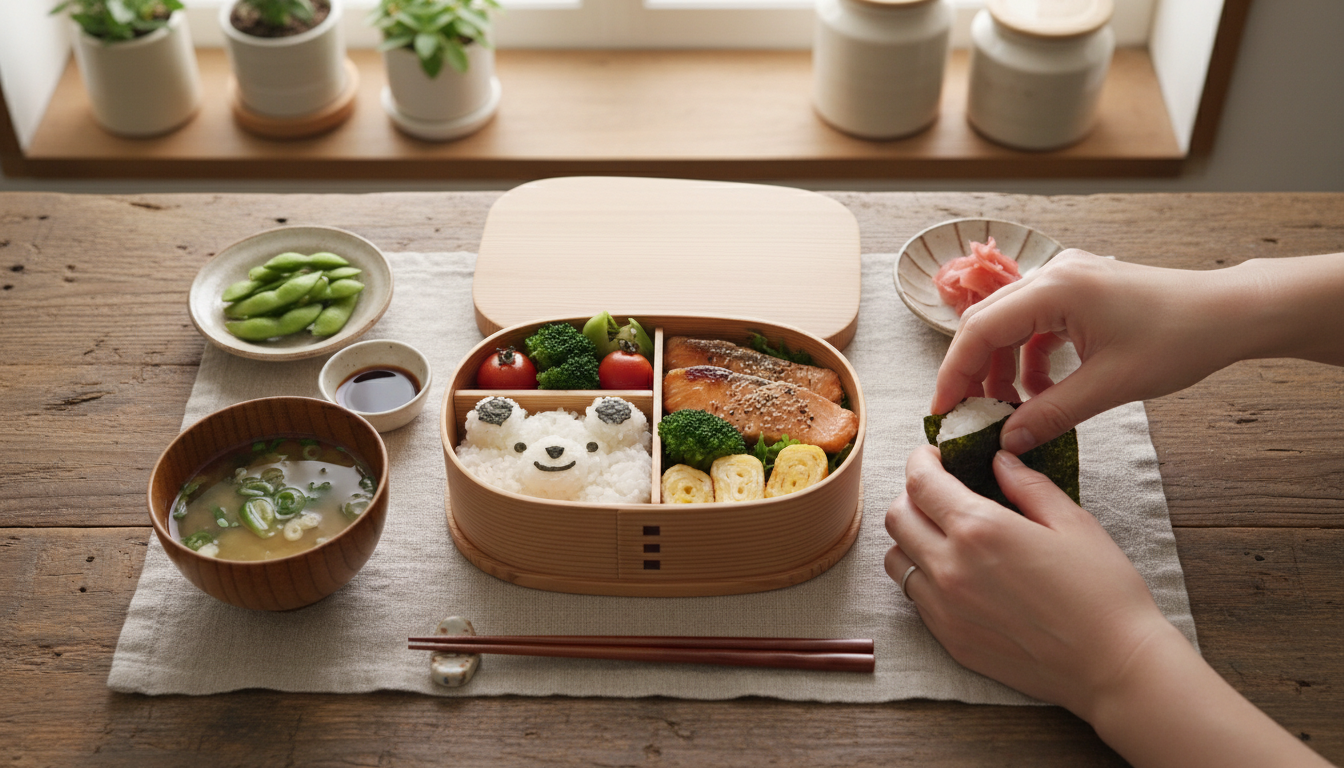
- Onigiri (rice balls) with various fillings: These iconic rice balls are versatile and fun. Fill them with umeboshi (pickled plum), tuna mayo, grilled salmon flakes, or even just salt and a sprinkle of sesame seeds. Shape them into triangles, spheres, or fun characters for your Bento Box Meals.
- Tamagoyaki (Japanese rolled omelet): This slightly sweet or savory rolled egg omelet is a staple. Its delicate texture and appealing layers make it a delightful addition.
- Karaage (Japanese fried chicken) or grilled teriyaki chicken/salmon: These savory main dishes are perennial favorites. Karaage offers a crispy, flavorful crunch, while teriyaki chicken or salmon provides a sweet and savory glazed option.
- Small portions of pickled vegetables (tsukemono) and stir-fried greens: Add a refreshing contrast and essential nutrients. Examples include pickled daikon radish, cucumber, or blanched spinach with a dash of soy sauce. These elements are crucial for balancing flavors in Bento Box Meals.
- Edamame, gyoza, or mini spring rolls as side dishes: These easy-to-pack sides add protein and variety. Frozen gyoza or spring rolls can be quickly cooked and cooled before packing.
Global & Western Bento Innovations
The bento concept is wonderfully adaptable, allowing for the integration of international flavors. Expand your palate with these global-inspired Bento Box Meals.
- Mediterranean Bento: Pack hummus, soft pita bread triangles, a crisp cucumber and tomato salad, briny olives, crumbled feta cheese, and grilled chicken or falafel. Drizzle with a light lemon-herb dressing.
- Mexican Bento: Create mini burritos or deconstructed taco bowls with seasoned rice, black beans, a vibrant corn salsa, fresh avocado slices (with a squeeze of lime to prevent browning), and shredded chicken or seasoned ground beef. Include a small container of salsa.
- Italian Bento: A colorful pasta salad with pesto, cherry tomatoes, mozzarella balls, grilled zucchini, and a side of crunchy breadsticks or crackers. Add some fresh basil for an aromatic touch.
- Sandwich Bento: Pinwheel sandwiches (using tortillas or flattened bread), a refreshing fruit salad, crunchy veggie sticks with a small container of ranch dip, and cheese cubes for a classic, crowd-pleasing option.
Quick & Easy Bento Ideas for Beginners to Bento Box Meals
Don’t be intimidated if you’re new to bento making. These ideas focus on simplicity and efficiency, proving that delicious Bento Box Meals don’t have to be complicated.
- Leftover-based bentos: This is arguably the easiest approach. Transform dinner leftovers—whether it’s roasted vegetables, a pasta dish, or a stir-fry—into a perfectly portioned bento meal for the next day.
- “Deconstructed” bentos: No cooking required! Assemble components like cheese and crackers, fruit, a handful of nuts, hard-boiled eggs, and pre-cut vegetables (like carrots and celery sticks) with a dip. This is ideal for busy mornings.
- Minimal cooking bentos: Utilize convenience items like canned tuna or chicken, pre-packaged salad mixes, and instant sides (like quick-cook couscous or instant miso soup). These can be assembled into satisfying Bento Box Meals with minimal effort.
- One-pan wonders: Cook a protein (chicken breast, sausage) and vegetables (bell peppers, onions) together on a single sheet pan. Once cooled, divide for multiple Bento Box Meals, adding a side of rice or bread.
Bento Boxes for Specific Dietary Needs & Preferences: Crafting Inclusive Bento Box Meals
Bento Box Meals are inherently flexible, making them an excellent choice for accommodating a wide array of dietary restrictions, allergies, and personal preferences. With thoughtful planning, everyone can enjoy the benefits of a custom-packed lunch.
Vegetarian and Vegan Bento Options
Crafting delicious and nutritious plant-based Bento Box Meals is simple, given the abundance of vegetarian and vegan ingredients available.
- Protein sources: Tofu is incredibly versatile – try it scrambled, pan-fried, or baked. Lentil patties, chickpea salad sandwiches (made with vegan mayo), roasted edamame, and crispy roasted chickpeas are excellent protein-packed additions.
- Grain bowls: Build vibrant grain bowls with quinoa, farro, or brown rice as the base. Top with a variety of roasted or fresh vegetables (e.g., sweet potatoes, broccoli, bell peppers), and drizzle with a flavorful tahini or peanut dressing.
- Veggie spring rolls with peanut dipping sauce: Fresh, light, and customizable, these are a great finger-food option. Plant-based dumplings or samosas can also be packed.
- Fruit and nut-based snacks: For extra energy and essential nutrients, include a variety of fresh fruits, dried fruits, and a handful of nuts or seeds (if not an allergy concern). These add healthy fats and fiber to your Bento Box Meals.
Gluten-Free & Allergy-Friendly Bentos
Navigating food sensitivities requires careful planning, but Bento Box Meals are perfect for creating safe and delicious options. The ability to control every ingredient is a huge advantage for allergy-friendly Bento Box Meals.
- Carb alternatives: For gluten-free bentos, focus on naturally gluten-free grains like rice (white, brown, wild), quinoa, or millet. Gluten-free pasta salads, corn tortillas, and gluten-free bread or wraps can also be incorporated.
- Focus on whole foods: Naturally gluten-free proteins such as unmarinated meats, fish, eggs, and legumes are excellent choices. Pair them with an abundance of fresh fruits and vegetables, which are always gluten-free.
- Allergy awareness: Careful label reading is crucial for pre-packaged items. Avoid cross-contamination by using separate cutting boards, utensils, and cooking surfaces if severe allergies are present. Clearly label allergen-free Bento Box Meals if packing for others. Nutritional aspects and dietary diversity in traditional Japanese bento
- Nut-free options: This is especially important for school lunches. Substitute nuts with seeds (sunflower, pumpkin, chia) or roasted chickpeas for crunch and healthy fats. Always check labels, as some seeds may be processed in facilities with nuts.
Kid-Friendly & Fun Bento Box Meals
Making lunch exciting for children can encourage healthy eating habits. Bento Box Meals offer a canvas for creativity that kids will love.
- Kyaraben (character bento) techniques: Use molds, cutters, and food art tools to transform ordinary ingredients into engaging themes like animals, cartoon characters, or favorite objects. This makes Bento Box Meals instantly appealing to kids.
- Finger foods: Small, easy-to-eat portions are ideal for little hands. Think mini meatballs, cheese cubes, fruit skewers, and veggie sticks. Cutting sandwiches into small shapes also makes them more enticing.
- Colorful ingredients: Incorporate a rainbow of fruits and vegetables to appeal to visual senses. The more vibrant and varied the colors, the more likely children are to be curious and try new foods. Brightly colored Bento Box Meals are a hit.
- Involve children: Let kids help choose components for their bento or even pack their own (with supervision). This fosters a sense of ownership over their meals and encourages them to make healthy choices. It’s a great way to bond over Bento Box Meals.

The Bento Lifestyle: Beyond Just Lunch
Embracing Bento Box Meals extends beyond mere lunchtime convenience; it cultivates a mindful approach to eating, a connection to cultural traditions, and a sustainable habit that enriches daily life. It’s a journey that promotes well-being and reduces stress.
Making Bento a Sustainable Habit
Consistency is key to transforming any new practice into a lasting habit. With Bento Box Meals, starting small and building gradually ensures long-term success and enjoyment.
- Start small: Don’t try to create elaborate kyaraben on your first attempt. Begin with simple Bento Box Meals using leftovers or easy-to-assemble components. Gradually build complexity and variety as you gain confidence and experience.
- Embrace imperfections: Not every bento needs to be a culinary masterpiece or Instagram-perfect. The primary goal is balance and nourishment. Focus on providing healthy, enjoyable food, and don’t stress over minor aesthetic flaws. The journey of making Bento Box Meals is what counts.
- Community and inspiration: Connect with other bento enthusiasts! Share ideas with friends, explore bento blogs, and find inspiration from online communities. Seeing what others create can spark new ideas and keep your motivation high for preparing unique Bento Box Meals.
- Consistency: Integrate bento making into your weekly routine until it becomes second nature. Whether it’s Sunday meal prep or packing the night before, consistent effort will solidify the habit, making healthy Bento Box Meals a seamless part of your lifestyle.
The Mindfulness and Joy of Bento
Beyond the practical aspects, the act of preparing and consuming Bento Box Meals offers significant emotional and psychological benefits, fostering a deeper appreciation for food and self-care.
- A form of self-care: Preparing a bento, whether for yourself or loved ones, is an act of nourishment and thoughtful planning. It’s a small, daily ritual that signifies care, reducing reliance on less healthy, rushed alternatives.
- Connection to culture: Engaging with Bento Box Meals allows you to appreciate the rich history and cultural significance of this Japanese tradition. It offers a glimpse into a philosophy that values balance, aesthetics, and respect for food.
- Enhanced dining experience: The visual appeal, balanced composition, and deliberate arrangement of a bento promote a more mindful and enjoyable eating experience. It encourages you to slow down, savor each bite, and appreciate the effort that went into your meal.
- Reduces stress: Knowing you have a healthy, delicious, and pre-prepared meal waiting for you can significantly alleviate lunchtime stress, freeing up mental energy for other tasks. This peace of mind is a major advantage of having ready-to-eat Bento Box Meals.
Where to Buy Bento Supplies & Further Resources
Ready to start your bento journey? Here’s where to find everything you need to create your own delightful Bento Box Meals.
- Online retailers: Websites like Amazon, Bento&Co, Japan Centre, or specific Japanese/Asian kitchenware stores offer a vast selection of bento boxes, accessories, and tools.
- Local stores: Check out Asian grocery markets, specialty kitchen shops, and sometimes larger department stores for bento supplies. These stores often carry unique items and ingredients.
- Cookbooks and blogs: Explore dedicated bento cookbooks for curated recipes and packing tips. Numerous online blogs offer a wealth of information, from beginner guides to advanced kyaraben techniques.
- YouTube channels: Visual learners will benefit from YouTube channels dedicated to bento making. You can find step-by-step tutorials for packing techniques, kyaraben ideas, and ingredient preparation for a variety of Bento Box Meals.
Key Takeaways for Mastering Bento Box Meals:
- Balance is Key: Aim for a mix of carbs, protein, veggies, and fruit for optimal nutrition.
- Prep Ahead: Batch cook components and repurpose leftovers to save time.
- Food Safety First: Cool foods thoroughly and use insulated containers.
- Get Creative: Use molds, cutters, and colors to make meals appealing, especially for kids.
- Sustainability Matters: Embrace reusable containers to reduce waste.
- Enjoy the Process: Bento making is a mindful act of self-care.
Embracing Bento Box Meals is more than just a trend; it’s a sustainable, healthy, and incredibly satisfying way to approach your daily nutrition. By incorporating these principles, tips, and recipe ideas, you’re not just packing a lunch—you’re crafting a personalized, balanced meal that nourishes both body and mind. So, go ahead, choose your bento box, gather your ingredients, and embark on your culinary adventure. Your lunch break (and your wallet, and the planet!) will thank you for making the switch to thoughtfully prepared Bento Box Meals. Start your bento journey today and transform your midday meal!
Sources & References
- Ekiben (Wikipedia)
Teriyaki Chicken Bento Box
Ingredients
Equipment
Method
- In a medium bowl, whisk together the soy sauce, alcohol-free mirin-style seasoning, chicken broth or water, brown sugar, grated ginger, and minced garlic.
- Add the chicken pieces to the sauce and toss until evenly coated. Marinate for at least 15 minutes at room temperature, or refrigerate for up to 30 minutes.
- While the chicken marinates, steam or boil the green beans for 3 to 5 minutes, until bright green and crisp-tender. Drain thoroughly.
- Toss the warm green beans with the sesame oil and toasted sesame seeds, then set them aside.
- Heat a large nonstick skillet or wok over medium-high heat. Remove the chicken from the marinade, reserving the remaining liquid.
- Arrange the chicken in a single layer in the hot skillet. Cook for 3 to 4 minutes per side, until lightly browned.
- Pour the reserved marinade into the skillet. Bring it to a simmer and cook for 5 to 7 minutes, stirring occasionally, until the chicken is fully cooked and the sauce forms a glossy glaze.
- Remove the chicken from the heat and allow it to cool slightly before packing.
- Divide the cooked rice, teriyaki chicken, and sesame green beans evenly among four bento containers.
- Garnish with sliced green onion, if desired. Allow all components to cool before sealing the containers. Serve warm or at room temperature.
Notes
2 thoughts on “Mastering Bento Box Meals: Your Ultimate Guide to Healthy & Delicious Lunch”